




Cloud security refers to the technologies, policies, processes, and controls that work together to protect your cloud-based systems and data. The latest cloud security study reports that 95% of organizations are concerned about public cloud security. The report highlights cybersecurity concerns, trends, and incidents as businesses adopt multi-cloud environments. When you manage applications and data in a cloud environment, you must be prepared to deal with cybersecurity attacks. With this increasing trend of cloud computing and cybersecurity threats, robust cloud security management is a critical aspect of the company's cybersecurity strategy.
This is a guide to cloud security management, discussing the importance of cloud security, the challenges, and best practices to secure data and applications in the cloud. Learn all about cloud security management in this comprehensive guide.
What is Cloud Security Management?
Cloud security management is a set of practices, tools, and processes designed to protect cloud-based systems, data, and other resources from potential threats, breaches, and vulnerabilities. The process involves implementing and managing numerous security protocols, including threat detection, security monitoring, incident response, data encryption, compliance, and access control.
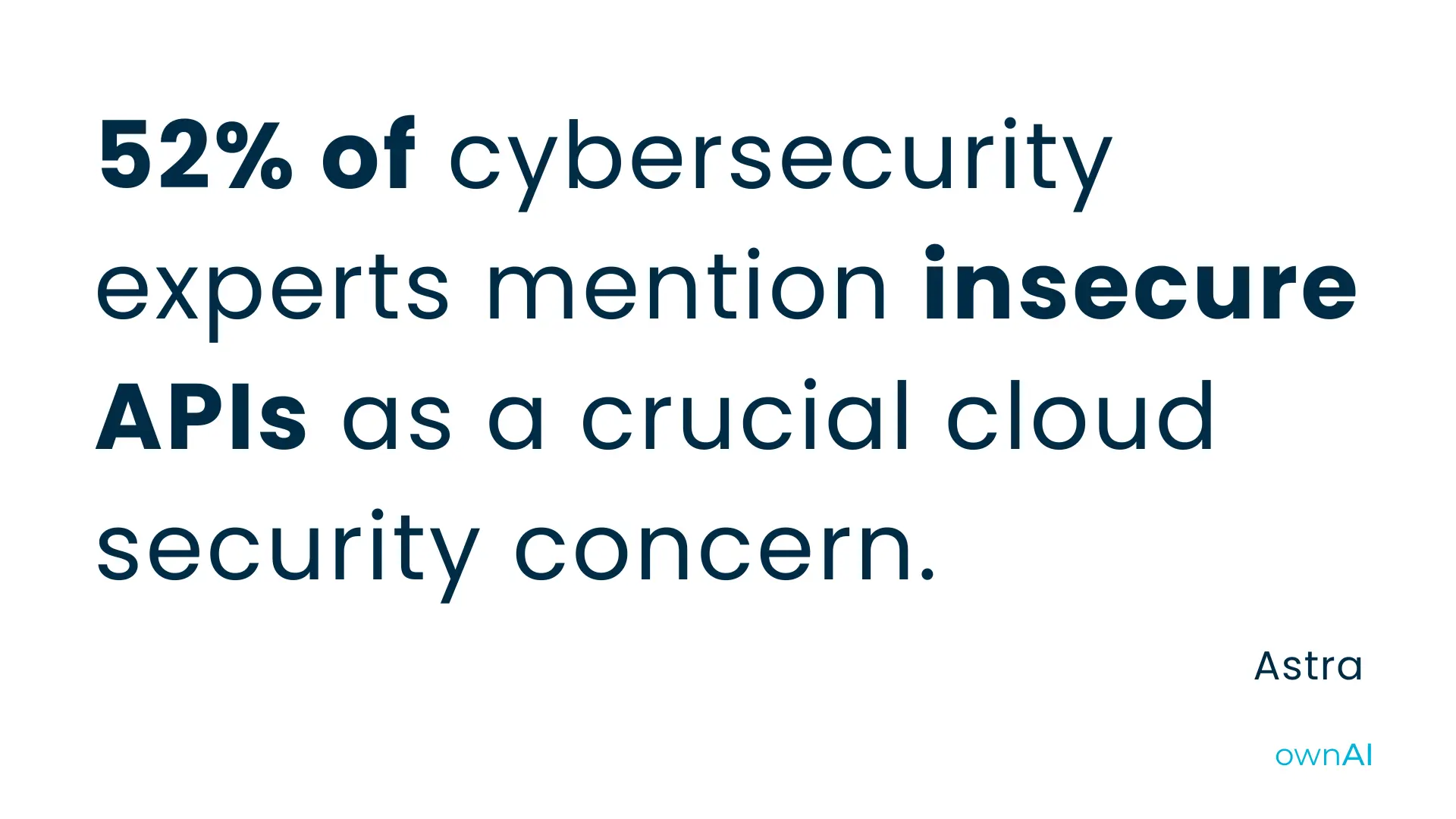
With cloud computing , all of the organization's resources and data are accessible over the internet, which opens them to security threats. An effective cloud security management approach ensures that the company's cloud infrastructure is protected, including the stored data and services it offers.
Why is Cloud Security Management Important in Today's Digital World
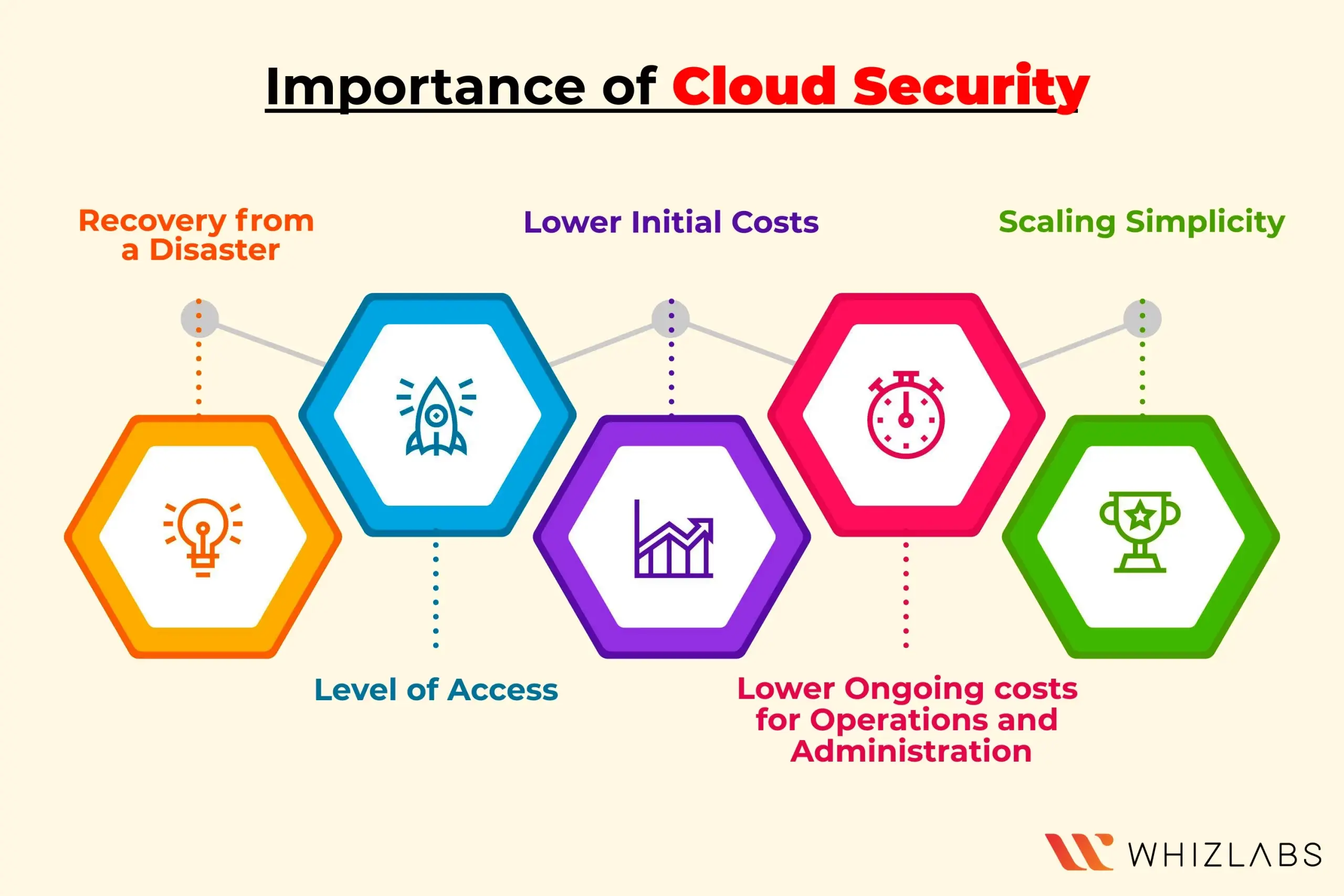
Image Source: WHIZLABS
Many professionals ask why security management is important in cloud computing. Here’s the answer. In this digital age, many organizations store a large amount of data in third-party clouds. However, there are major risks associated with this approach. This data includes confidential business intelligence and personal customer information. Without proper security management, all the sensitive data is vulnerable to breaches and unauthorized access, which could lead to serious consequences such as legal issues, financial loss, loss of credibility among customers, and damage to brand reputation.
Cloud service providers may not fully understand the intricacies of an organization's system and data. Additionally, they are unable to access the client's overall IT ecosystem. Therefore, relying on cloud vendors that have no good reputation can cause businesses to face troubles like cyber attacks and system breaches. The common cyber threats in cloud computing include the absence of a strong cloud security strategy and architecture, using insecure APIs, misconfigurations, inadequate credentials, data breaches, and limited visibility of cloud usage. You must ensure that your data and services in the cloud environment are secure and comply with all the applicable regulations.
Related Post: The Top 10 Cloud Computing Trends for 2024 and Beyond
Benefits of Cloud Security Management
Cloud security management can offer significant benefits that can't be overlooked. Here are the benefits of protecting your cloud environment.
Prevent Data Breaches: Cloud security management protects networks, apps, and sensitive information from potential data breaches. Advanced data encryption methods transform data into an unreadable format during transmission or storage to prevent unwanted access.
Enhanced Compliance: The security management approach in cloud computing gives you detailed insights into your cloud setups. This allows you to ensure regulatory compliance. You can analyze incidents to find out their cause and take remedial action to remove the impact of incidents on your customers.
Continuous Monitoring: A cloud security process conducts regular audits in three crucial areas, including the security of the cloud service facility, access to the corporate audit trail, and the internal control environment of the cloud provider. This auditing and monitoring helps you log and analyze activities in your cloud environment to identify potential risks and resolve security issues promptly.
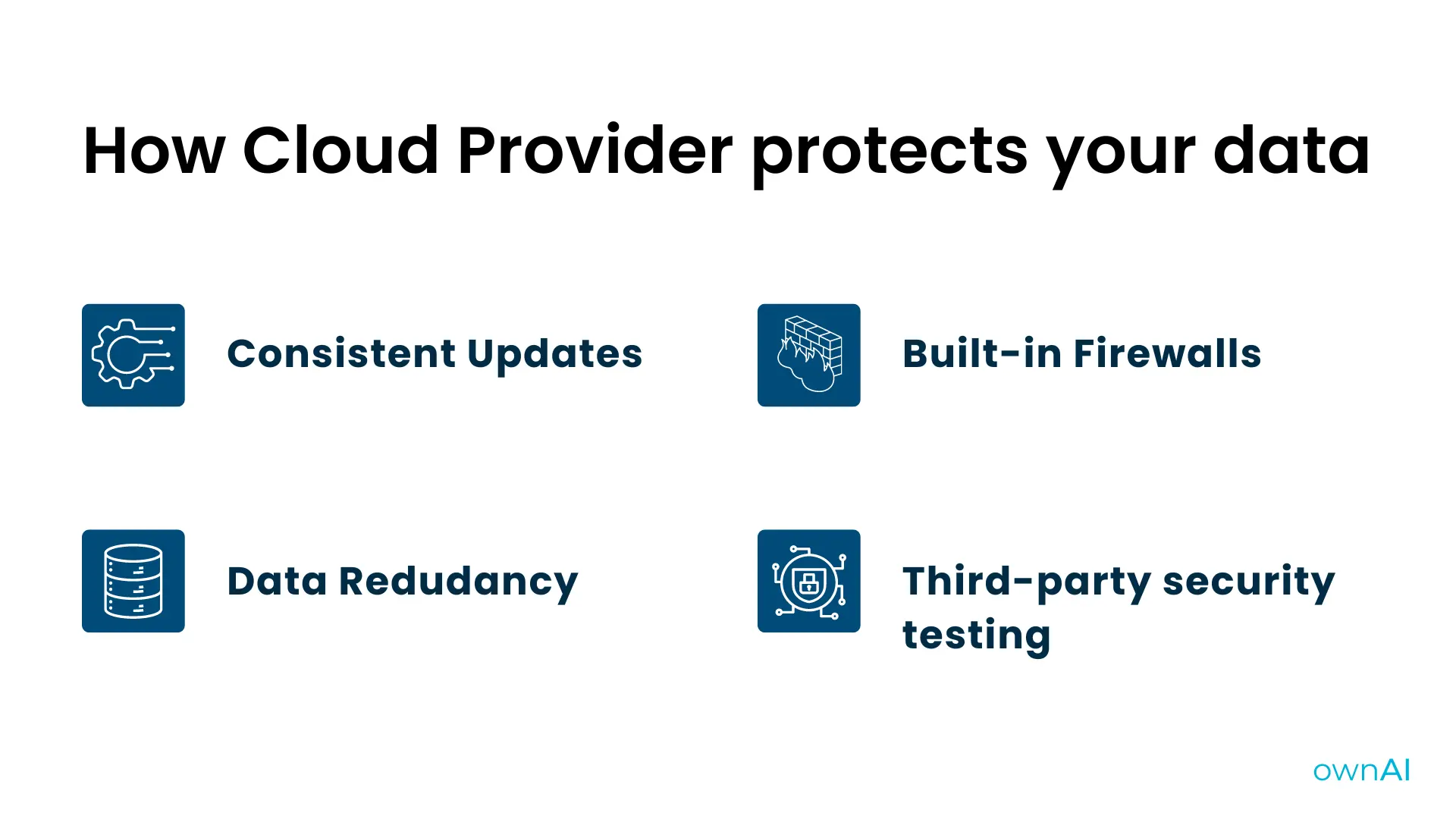
Cost Optimization: A good cloud service provider will provide you with security tools to secure your apps and data all the time. Those tools are frequently updated and undergo comprehensive testing compared to tools used in local centers. This will eliminate the need for substantial investment in your own setup.
Cloud Security Management Challenges and Solutions
Security challenges in cloud computing are evolving with technological advancements. Companies that are using cloud-based solutions or who are considering using them should consider the challenges of operating in the cloud and know the best practices to improve cloud security.
Challenges in Cloud Security Management
Here are a set of challenges that are faced in cloud computing.
Data Security
Protecting sensitive data in the cloud is complicated because data is frequently stored and distributed across several locations and services. Thus, businesses expose themselves to the risk of data breaches or leaks, which can have severe consequences. Hackers target data-rich firms to extract confidential information and sell it on the dark web.
Shared Responsibility Model
Most cloud providers use a shared responsibility model in which cloud security is a joint responsibility between the service provider and the customer. The provider is responsible for securing the cloud infrastructure, and the customer is responsible for the security of their apps and data in that infrastructure. This division often leads to confusion and potential security gaps.
Limited Visibility and Control
When data is kept in the cloud, companies feel they have limited control and visibility of their data. Cloud environments are quite dynamic, with resources created and destroyed on demand. This can make it challenging to monitor and manage all cloud assets effectively.
Human Error
The ease of hosting resources in the cloud means that human errors, such as misconfigurations, can cause substantial security implications. According to Gartner's cloud predictions , by 2025, human error will cause 99% of cloud security failures.
Changing Cloud Service Providers
Many organizations use multiple cloud providers, each of which has its own security policies, tools, and services. Shifting from one provider to another or managing security across different cloud environments can cause various security problems in cloud computing.
Compliance Complications
An organization must know its assets, purposes, and locations to avoid costly compliance violations. Maintaining compliance with industry laws can be complex due to the dynamic nature of the cloud and the involvement of third-party providers. Different industries and locations have specific regulatory requirements and standards. Meeting those requirements and ensuring the cloud configurations comply with compliance standards is also challenging.
Identity and Access Management (IAM)
The system becomes vulnerable when more members need access to it. Managing access controls, user identities, and permissions in the cloud is a huge task. Therefore, it is crucial to ensure that all users have appropriate access without overprovisioning or underprovisioning privileges.
Lack of Cloud Security Skills
With the emergence of new cloud technologies, the skills gap in providing cybersecurity is also growing. Cloud security managers need to learn new security skills and strategies specific to cloud computing. Lack of skills and poor planning can lead to significant errors, misunderstandings, higher costs, and security risks.
Related Post: All About Cloud Computing: Everything You Wanted to Know
Solutions and Best Practices for Robust Cloud Security Management
Effective security management in cloud computing involves different processes, strategies, and solutions. Here are some of the best practices you must implement to ensure your systems and data are secured in the cloud.
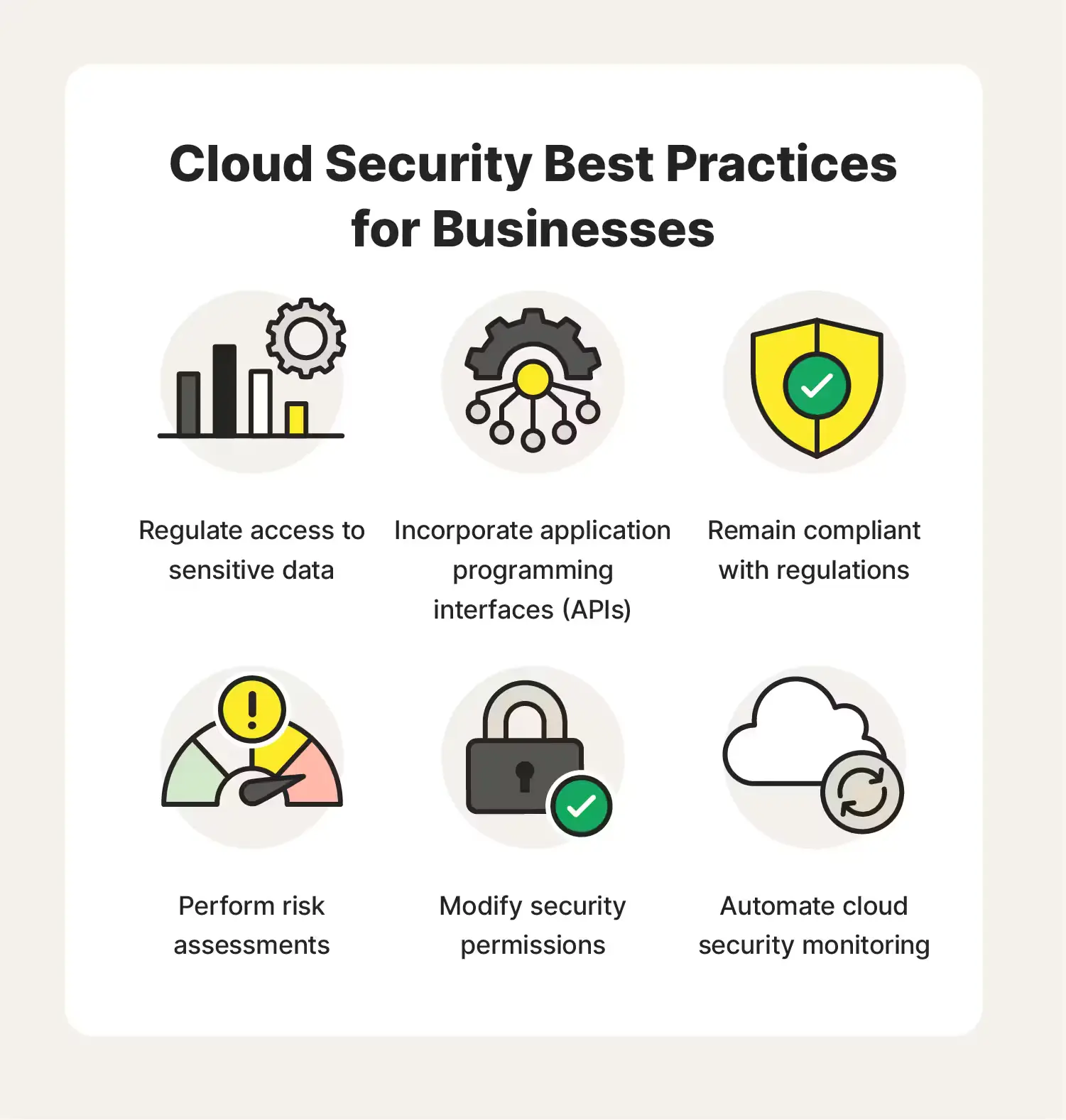
Image Source: Norton
Prioritize Data Encryption
The first and foremost component of cloud security best practices is prioritizing data encryption. Data must be converted into a code to prevent unauthorized access to your data. Best practices include protecting encryption keys and using robust encryption algorithms such as RSA, DES, AES, and Twofish.
Use Identity and Access Management (IAM)
IAM comprises policies and procedures that ensure only authorized people can access your cloud resources. It is critical to use IAM to limit access to only authorized users. Some effective practices include implementing two- or multi-factor authentication (2FA/MFA), using strong passwords, leveraging role-based access control, and automating workflows.
Regularly Monitor for Misconfigurations
Misconfiguration is one of the most common security issues in cloud computing. Regular monitoring and auditing of the cloud environment and analyzing collected data are essential to spot errors and fix them promptly.
Incident Response Plan and Disaster Recovery
Incidents will occur no matter how well you are prepared. A cloud incident response plan outlines all the steps your company will take in the event of a security incident. Organizations should prepare solid plans and procedures so that they can respond quickly to any security breach or cyberattack.
Meet Compliance and Regulatory Standards
Compliance with standards, laws, and regulations is crucial to avoid legal issues and ensure the cloud-based system protects customers' data. Organizations should understand regulatory requirements, implement necessary policies to meet those requirements and assess risks of non-compliance. Some common cloud security regulations and standards are HIPAA, CISSP, ISO-27017, CISA, and PCI DSS.
Conduct Penetration Testing
Penetration testing is cloud security testing that checks your cloud for vulnerabilities that attackers can target. It is a great way to detect security weaknesses and take steps to mitigate them. Therefore, regular penetration testing is crucial to fix any vulnerabilities that are identified.
Give Security Awareness Training to Employees
Employees frequently represent the weakest links in the security chain. Regular security awareness training sessions are important to educate employees about security threats and best practices to avoid them in cloud computing.
Related Post: How to Choose the Right Cloud Computing Provider for Your Business
Final Thoughts
Cloud-based services have advanced significantly in recent years. With the increased adoption of cloud computing, a successful cloud security management approach becomes more important. Businesses should reconsider the security of their cloud infrastructure. An effective cloud security strategy is key to using the cloud effectively while ensuring your applications, data, and operations are secure. Organizations must adopt best practices to improve cloud security, such as choosing a trusted cloud service provider, regularly reviewing security policies, monitoring cloud infrastructure, training employees, meeting regulatory standards, and conducting security testing.
Looking for a secure cloud-based solution for your business? ownAI can help you leverage the potential of cloud-based applications and get the most out of the cloud. ownAI is an experienced cloud-based application development company that helps small and established businesses take advantage of cloud technologies. Our developers are proficient in the latest cloud platforms, including Microsoft Azure, AWS, and GCP.
Contact us today to learn how we can create customized and secure cloud-based solutions that meet your business goals and needs!

Let’s discuss about your next AI, Cloud or Digital Transformation.
 AI-Skilled & Agile
 Transparent, Trustworthy &
Vetted team Not tech, but business &
customer first approach





 Turn your idea into MVP in 8-16 weeks