



Step back a decade, digital transformation was thought to be the panacea. No surprises there. Many innovative and exciting technologies have matured over the past ten years, including Blockchain, Cloud Computing, IOT, 3D Printing, Machine Learning, and Artificial Intelligence platforms like the Metaverse and ChatGTP. Integrating "all this digital technology stuff" into the business world must inevitably have a name. It is a digital transformation .
Here we are in 2024, and digital transformation continues to reshape industries and drive innovation in various sectors. Software companies , SaaS app development companies , web development companies , and digital product development services providers are witnessing an increase in demand as organizations strive to stay competitive in the rapidly evolving digital landscape.
Businesses must constantly analyze the most recent digital transformation trends and strive to incorporate technology that will help them run more efficiently every day if they want to stay agile and gain a competitive edge.
In this blog, we'll look at the top digital transformation ten trends that will shape the landscape in 4 and beyond.
Top 11 Digital Transformation Trends in 2024
- 1. Artificial Intelligence and Machine Learning
- 2. Automation
- 3. Increased Migration to the Cloud Computing
- 4. Blockchain and Digital Ledger Technology (DLT)
- 5. Wider Adoption of Low Code/No-Code Development Platforms
- 6. Everything as a Service (XaaS)
- 7. Cybersecurity and Data Privacy
- 8. Customer Data Platforms (CDP)
- 9. Immersive User Experiences (UX), such as Voice Assistants and NLP
- 10. Progressive Web Applications (PWAs)
- 11. AIOps to Support Microservices
1. Artificial Intelligence and Machine Learning
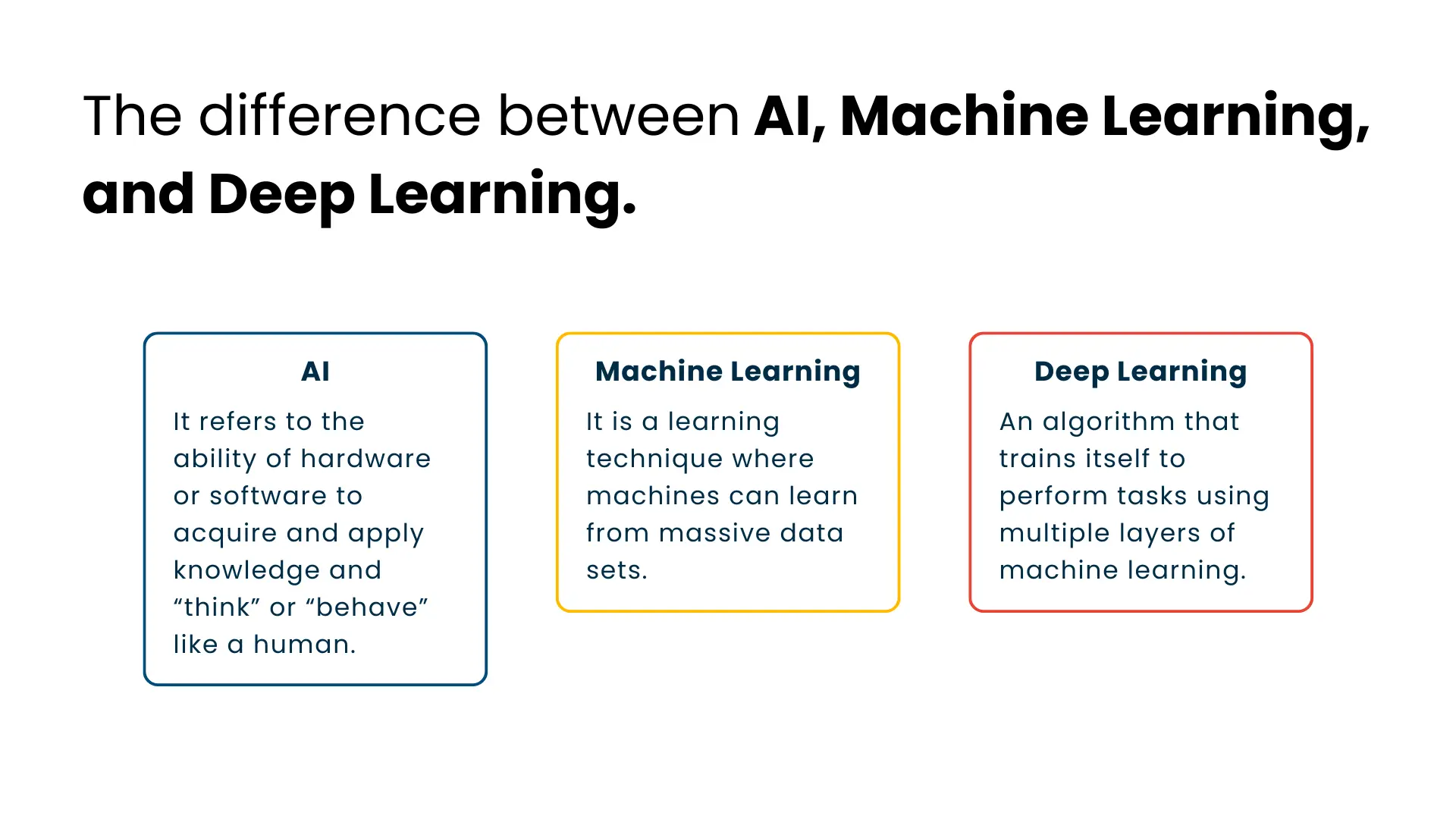
Artificial Intelligence (AI) and Machine Learning (ML) are the most often cited technology among all digital transformation topics. AI and Ml are revolutionizing the way how companies run.
AI is important because it helps organizations to automate processes and make better decisions by providing valuable insights about demographics, customer behavior, and preferences. However, ML is important because it enables organizations to leverage data to develop personalized customer experiences.
These two technologies are becoming increasingly integrated into software companies to help them develop the intelligence required to relieve employees from tiresome tasks and support senior management in making deft decisions.
Software companies and digital product development services providers are important in developing AI-driven solutions and incorporating ML algorithms into their products. Providers must integrate their solutions with existing interfaces or platforms and align them with customer behaviors for easier and quick adaptation.
2. Automation
Many businesses have already started using automation technology following the digital transformation trends. Mulesoft forecasts that in 2024 the technology will be more widely used. It aims to give business executives the tools to produce better results using fewer resources.
More than 80% of corporate leaders claim that they are increasing their use of remote workers and accelerating workflow automation. The best way to accelerate automation is to choose the appropriate business process automation solutions, which could help deliver faster results with less coding expertise.
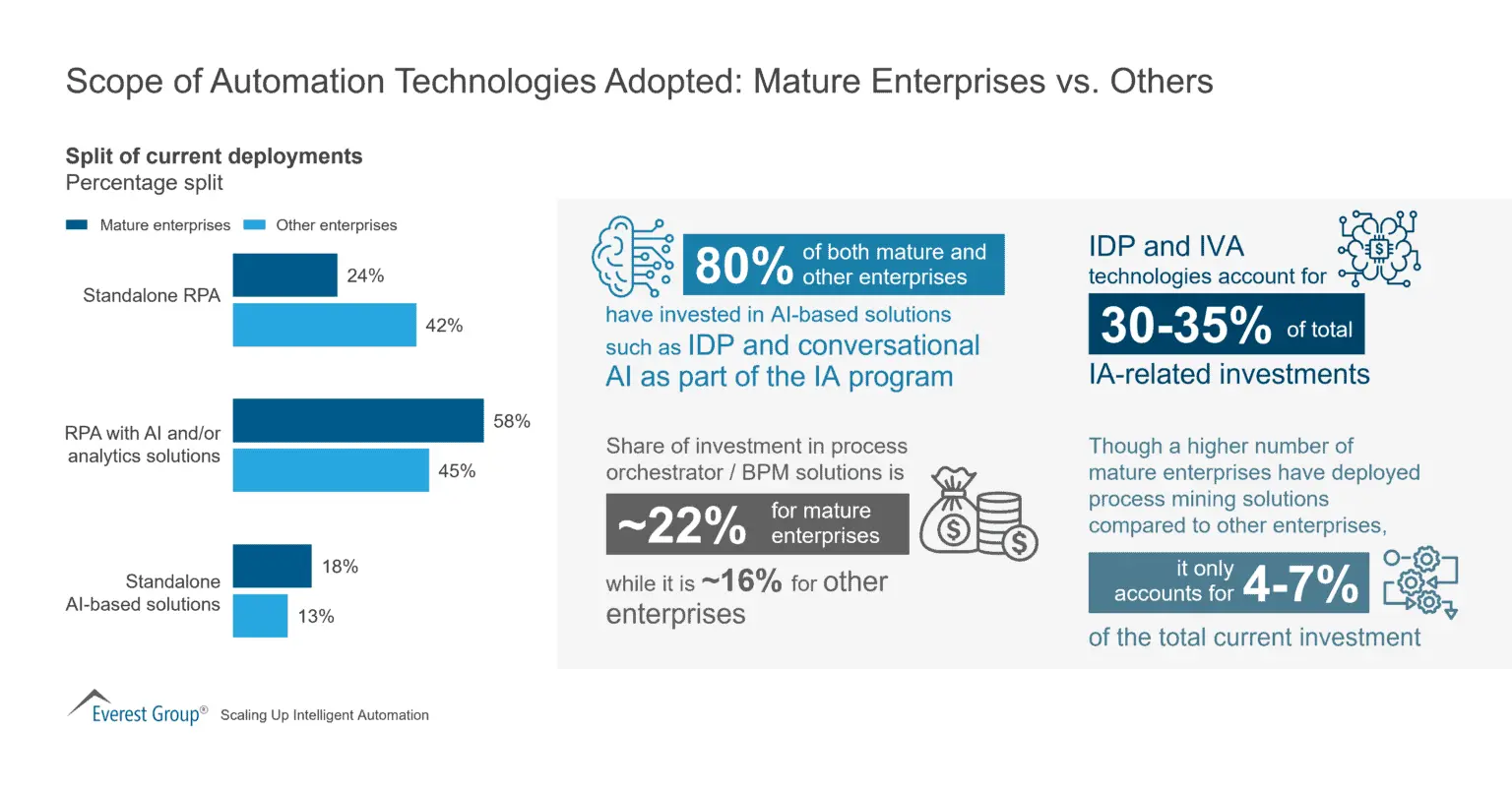
Image Source: Everest Group
Automation solutions help organizations accelerate the completion of internal procedures by removing the need for human execution. Although there is a learning process to get any project off the ground, these technologies can improve the customer experience, boost productivity, and digitize procedures in the medium to short term.
3. Increased Migration to the Cloud Computing
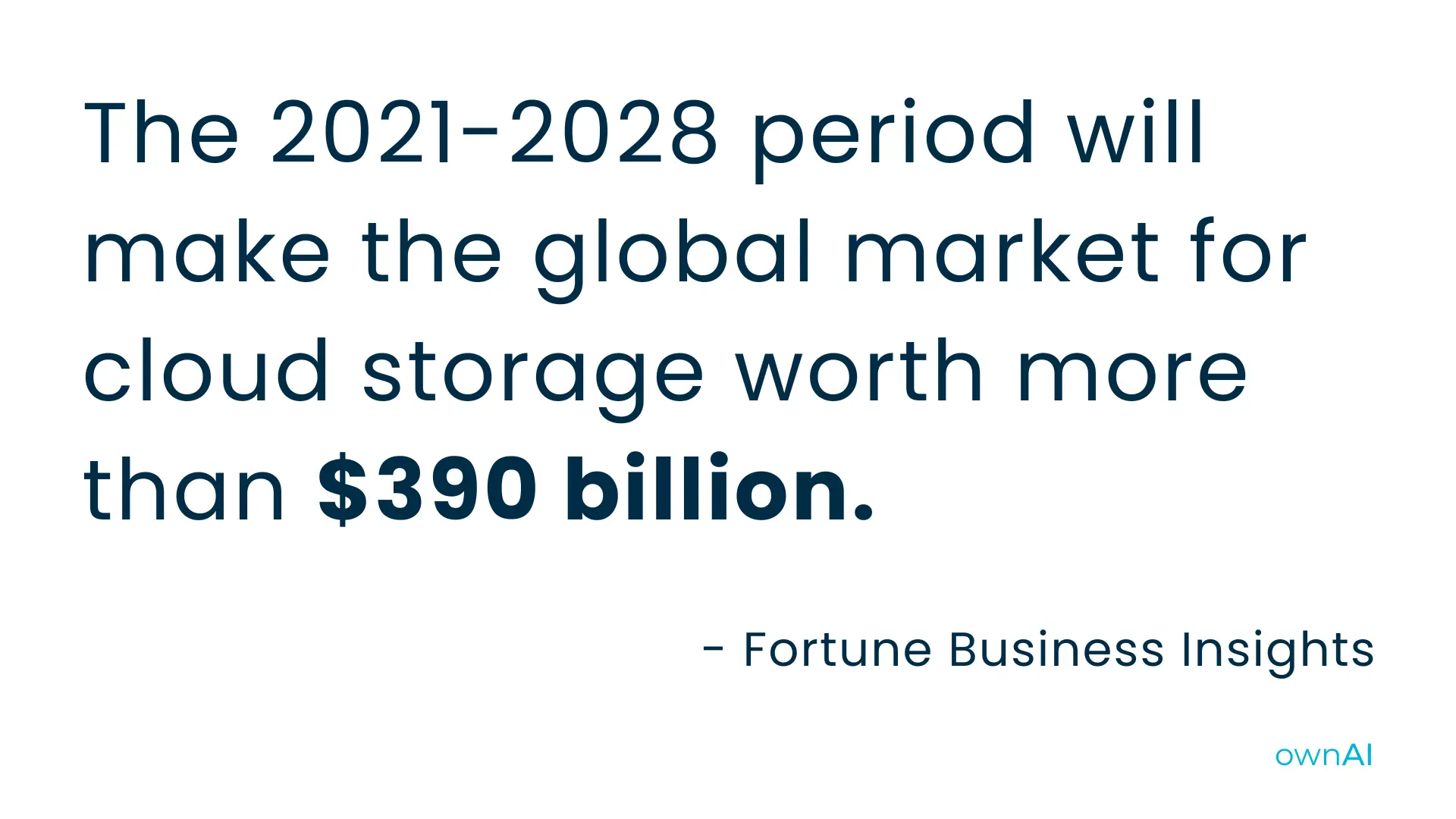
Data transfer from on-premises to the cloud is one of the most talked-about subjects in digital transformation.
The continuous efforts of leading IT companies like Microsoft, IBM, Amazon, and Google to perfect their cloud technology have led to the development of mature Cloud-Native solutions . Cloud technology architectures now include abstraction layers that eliminate the need for coding to quickly deploy solutions that adapt to data sources, client systems, and processes.
Businesses are implementing cloud technologies to improve accessibility, outsource tedious routine maintenance work, and reduce expenses. Businesses must use cloud platforms and DevOps techniques to help them manage their several cloud environments. They can use them to try new delivery models and meet agility requirements.
4. Blockchain and Digital Ledger Technology (DLT)
Blockchain and DLT are innovative emerging technologies with applications in several sectors, including supply chain management, healthcare, and finance. These technologies can potentially upend the traditional way of running a business in many sectors by allowing them to develop smart contracts and keep records permanently without the risk of being altered.
Blockchain technology is very important for software companies as software suppliers require a more secure environment to prevent the public leakage of confidential data. These technologies enable secure and transparent transactions, data sharing, and decentralized applications.
5. Wider Adoption of Low Code/No-Code Development Platforms
The demand for faster development cycles and increased agility has led to the rise of low-code/no-code development platforms. These platforms enable citizen developers or non-programmers to build applications with minimal coding knowledge.
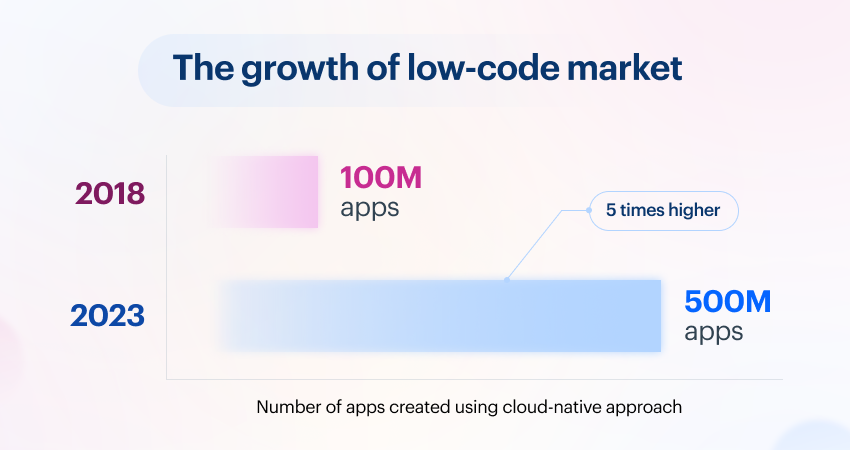
Image Source: Kissflow
Low-code/No-code is a development platform that empowers non-technical users to design, develop, and use software applications. It features a graphical user interface and drag-and-drop tools that enable business experts and non-programmers to design and build custom software solutions without coding.
The benefits low-code/no-code development platforms provide regarding scalability, risk reduction, time, and money have led to a surge in their adoption in recent years.
These advantages have spawned new use cases like:
- Rapid deployment
- Rapid prototyping
- New product development
As these software solutions progress, businesses will adopt them more rapidly and use them to assess the viability of certain digital products in their ecosystems.
6. Everything as a Service (XaaS)
Everything as a Service (XaaS) will be a prominent digital transformation trend in 2024. The term "XaaS" represents the process of delivering various IT services and resources as on-demand services over the Internet. It offers multiple technology-related services to individuals and businesses, including software, platforms, infrastructure, and even complete business processes. These services enable organizations to streamline processes, transform operations, and drive innovations.
XaaS is a cloud computing model that enables organizations to focus on their core competencies by leveraging specialized services from providers, including infrastructure, processing power, and data storage. This model enables increased scalability, faster time-to-market, and cost-efficiency.
The XaaS model is an extension of the Software as a Service (SaaS) model, which gives access to applications over the Internet. XaaS includes services like Infrastructure as a Service (IaaS), Platform as a Service (PaaS), and Data as a Service (DaaS) in addition to traditional Software as a Service (SaaS) models.
Amazon Web Services is an example of an XaaS company that delivers cloud computing and storage services to its customers.
7. Cybersecurity and Data Privacy
As digital transformation progresses, cybersecurity and data privacy concerns become paramount. By 2020, Gartner estimated that the inability of security teams to manage digital risk resulted in major service failures for 60% of digital businesses.
The prediction has come true as cyberattacks have increased in recent years. In 2020, there were over 445 million cyberattacks recorded. And the same will hold for 2024 if businesses ignore cybersecurity and fail to understand trends in digital transformation. While there is no single solution to all security risks, maintaining a balance between processes, people, and technology is necessary.
Software companies , SaaS app development, and digital product development companies are prioritizing robust cybersecurity measures. They must implement encryption, access controls, and data anonymization techniques to protect sensitive information and adhere to data protection regulations such as the California Consumer Privacy Act (CCPA) and General Data Protection Regulation (GDPR).
Many IT companies now use CISOs (Chief Information Security Officers) to manage cybersecurity. Security teams must ensure that organizations' security procedures keep pace with digital transformation.
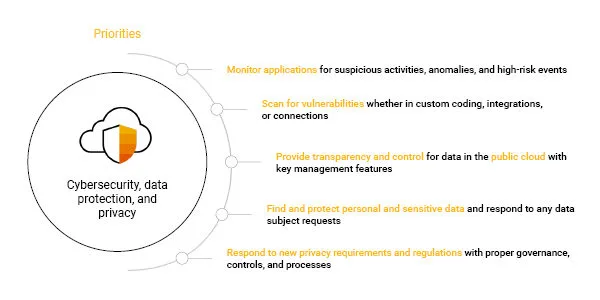
Image Source: Sapinsider
8. Customer Data Platforms (CDP)
Data is being gathered everywhere in the digital age. Companies now have more access to information about their customers than ever before. You are collecting all kinds of information from them, whether they are just interacting with your company or buying one of your products or services. This is true for small and large companies. The only distinction is how this information is used to understand consumer behavior and their requirements.
Smaller businesses with a restricted marketing stack would be fine. However, extracting information from such a large pool of data can be challenging for organizations with diverse products, marketing methods, and customers. This is where the customer data platform (CDP) comes in.
A CDP is a technology that integrates several apps and databases to provide customer-centric data and analytics. These platforms are used to manage customer information, analyze consumer trends, discover future marketing opportunities, and provide more customized customer experiences.
These platforms allow you to integrate all of your customer information from many sources in one place, allowing you to make better decisions.
9. Immersive User Experiences (UX), such as Voice Assistants and NLP
Immersive user experience (UX) is one of the top digital transformation trends in 2024. It allows users to engage with information through multiple sensory modalities, such as sight and sound, resulting in truly immersive experiences.
Examples include chatbots and voice assistants like Alexa, Siri, and Cortana, which offer natural language interactions. Augmented reality (AR), virtual reality (VR), and mixed reality (MR) allows users to interact with virtual environments and digital content. Holograms and avatars offer lifelike digital representations and virtual meeting experiences. Advanced speech recognition and natural language processing (NLP) make interactions more intuitive and human-like.
The key point to remember is that immersive user experience can be implemented across all sectors with varied degrees of complexity depending on the technology being utilized and whether it is being deployed on devices or through cloud solutions.
10. Progressive Web Applications (PWAs)
Progressive Web Applications (PWAs) are one of the important digital transformation trends. It is revolutionizing the way businesses deliver web experiences. Progressive web application development programs combine the best of web and mobile applications.
Web development companies use web development services to develop PWAs that provide quick, responsive, and app-like experiences across several devices. PWAs eliminate the requirement for separate app development, allowing businesses to reach a larger audience with a single codebase.
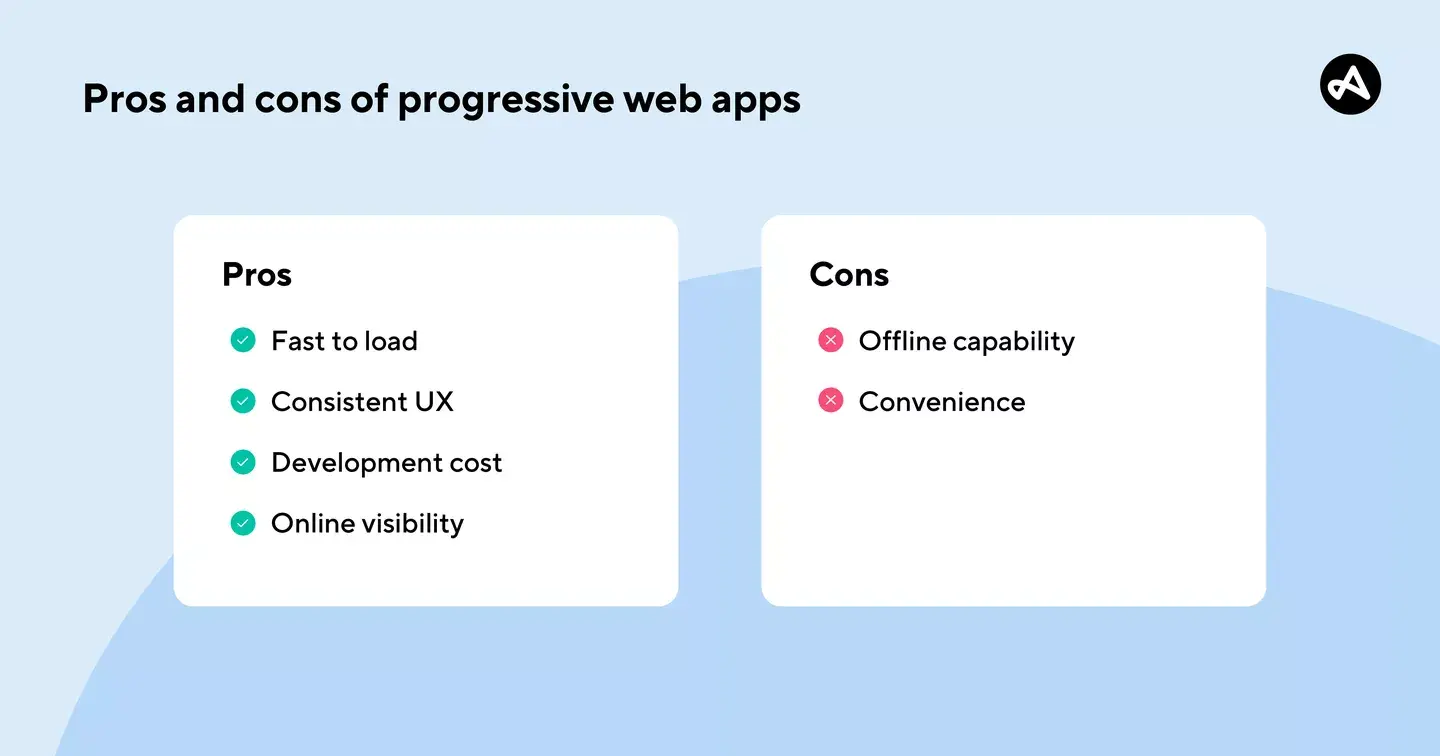
Image Source: Adjust
11. AIOps to Support Microservices
Businesses in the digital and IT sectors struggle to manage multi-cloud architectures, hybrid clouds, and microservices in a constantly changing environment. Following the trends in digital transformation, CIOs are swiftly implementing new applications and increasing the volume of data, which has resulted in a backlog of outdated systems that need to be retired. As these technologies become more crucial to their purpose, businesses demand that IT Ops accomplish higher service-level goals and more automation.
AIOps solutions have been deployed to apply ML to monitoring tools and observability data to assist IT Ops in meeting these expectations. These solutions collect data, correlate warnings using machine learning, and assist network operations centers (NOCs) in identifying root causes.
Many AIOps solutions also link with collaboration platforms, IT service management, and other automation tools to start conversations and deliver pre-written responses. Additionally, they offer NOCs a solitary entry point for applications and databases that are accessible via data centers, public clouds, and edge computing.
Conclusion
In conclusion, the digital transformation trends of 2024 are expected to change how individuals and businesses interact with technology substantially. Software companies, SaaS app development companies, web development companies, and digital product development companies are at the forefront of digital transformation, using top trends to drive innovation and offer unique solutions.
These organizations can position themselves as industry leaders by embracing AI and ML, cloud-native technologies, low-code/no-code development, cybersecurity measures, PWAs, AR and VR, NLP and VUI, and blockchain.
A digital product development service provider like ownAI helps businesses to implement these trends through its vetted digital product development services to speed their digital transformation journey and achieve sustainable success in the ever-changing digital landscape.

Let’s discuss about your next AI, Cloud or Digital Transformation.
 AI-Skilled & Agile
 Transparent, Trustworthy &
Vetted team Not tech, but business &
customer first approach





 Turn your idea into MVP in 8-16 weeks