



Businesses are turning to cloud computing in order to enhance operational efficiency, agility, and scalability. With this cloud transformation, choosing the right cloud provider is a decision that will greatly impact an organization's success. The cloud platform you select will determine the security of your SaaS application, impacting overall business operations.
According to Fortune Business Insights, the cloud computing market is expected to grow from $676.29 billion in 2024 to $2291.59 billion by 2032. These numbers show the significant market growth of cloud computing, which is due to the increasing digital transformation in businesses and internet adoption worldwide.
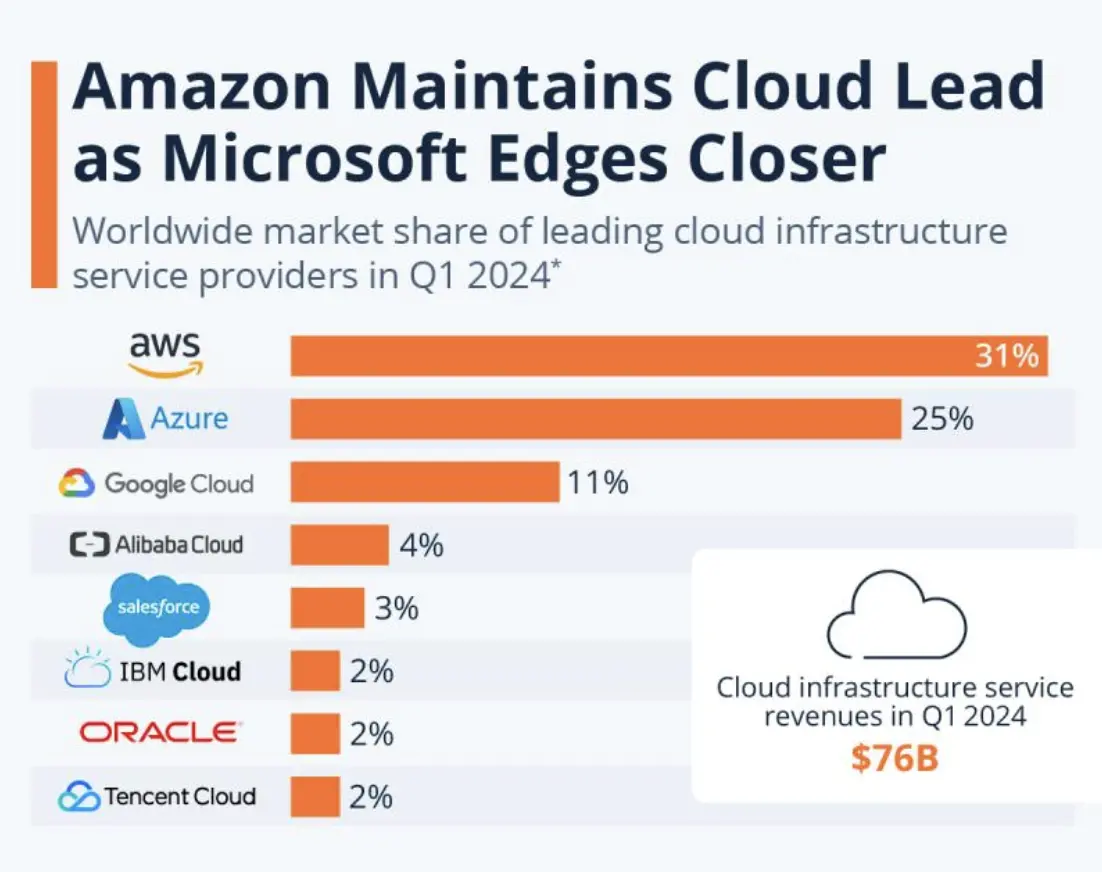
In this huge market, Amazon Web Services (AWS), Microsoft Azure, and Google Cloud Platform (GCP) are three prominent cloud providers that comprise 64% of the market share. When businesses are choosing the right cloud provider to host their application, many will choose one of these providers. In addition to these three industry giants, many other cloud providers are providing tailored cloud services. So, how can you choose the right one for your business? This article will provide you with essential information on cloud platforms to help you choose the best cloud infrastructure for your SaaS product.
Types of SaaS Cloud Infrastructure
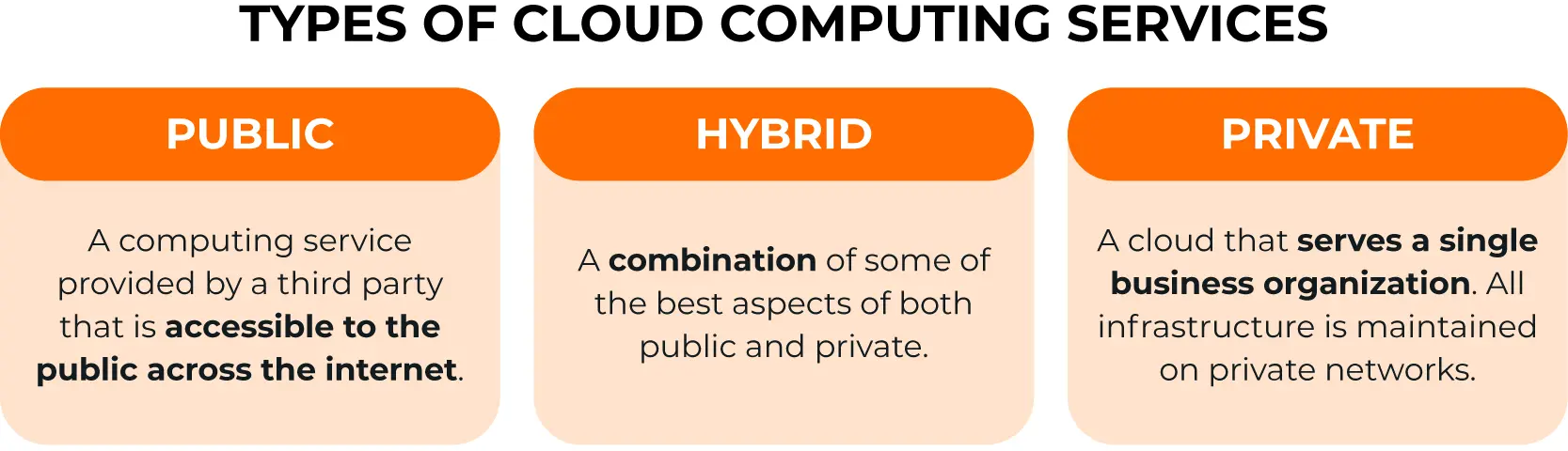
Image Source: Gigamon
There are different types of cloud models available, including private, public, and hybrid cloud.
Private Cloud
Private cloud infrastructure is owned and operated by a single organization. These cloud platforms are dedicated to a single customer and are hosted in a data center or on-premises. Private cloud offers robust security and customization options, which make them excellent choices for large businesses with sensitive data and privacy concerns.
Public Cloud
Public clouds are shared platforms where multiple customers share resources. They are accessible to everyone and operated by a third-party service provider. Some of the largest public cloud providers include Microsoft Azure, Google Cloud Platform, and Alibaba Cloud.
Hybrid Cloud
Hybrid cloud infrastructure combines the features of private and public cloud platforms. It needs to include at least one private and one public cloud, two or more public clouds, and two or more private clouds. By using a hybrid cloud, your business can use both private and shared infrastructure and enjoy greater flexibility, security, and scalability.
Read More: SaaS Application Development Company's Best Practices to Ensure Success
Top 5 Cloud Infrastructure Providers
Here are the five most popular cloud platforms for SaaS products.
Amazon Web Services (AWS)
AWS is the most flexible and leading cloud infrastructure provider, with a market share of 31% in Q1 2024. AWS started providing cloud services to businesses in 2006. Their cloud-based products are instantly available and on demand. AWS offers a wide range of services, including storage, computing power, databases, networking, machine learning, analytics, and artificial intelligence Today, AWS offers tools to help businesses manage their SaaS applications easily, making it a preferred choice for businesses that require scalable and flexible infrastructure.
Popular Products: RDS, Lambda, S3, EC2, Amazon Aurora, CloudFront, Machine Learning
Microsoft Azure
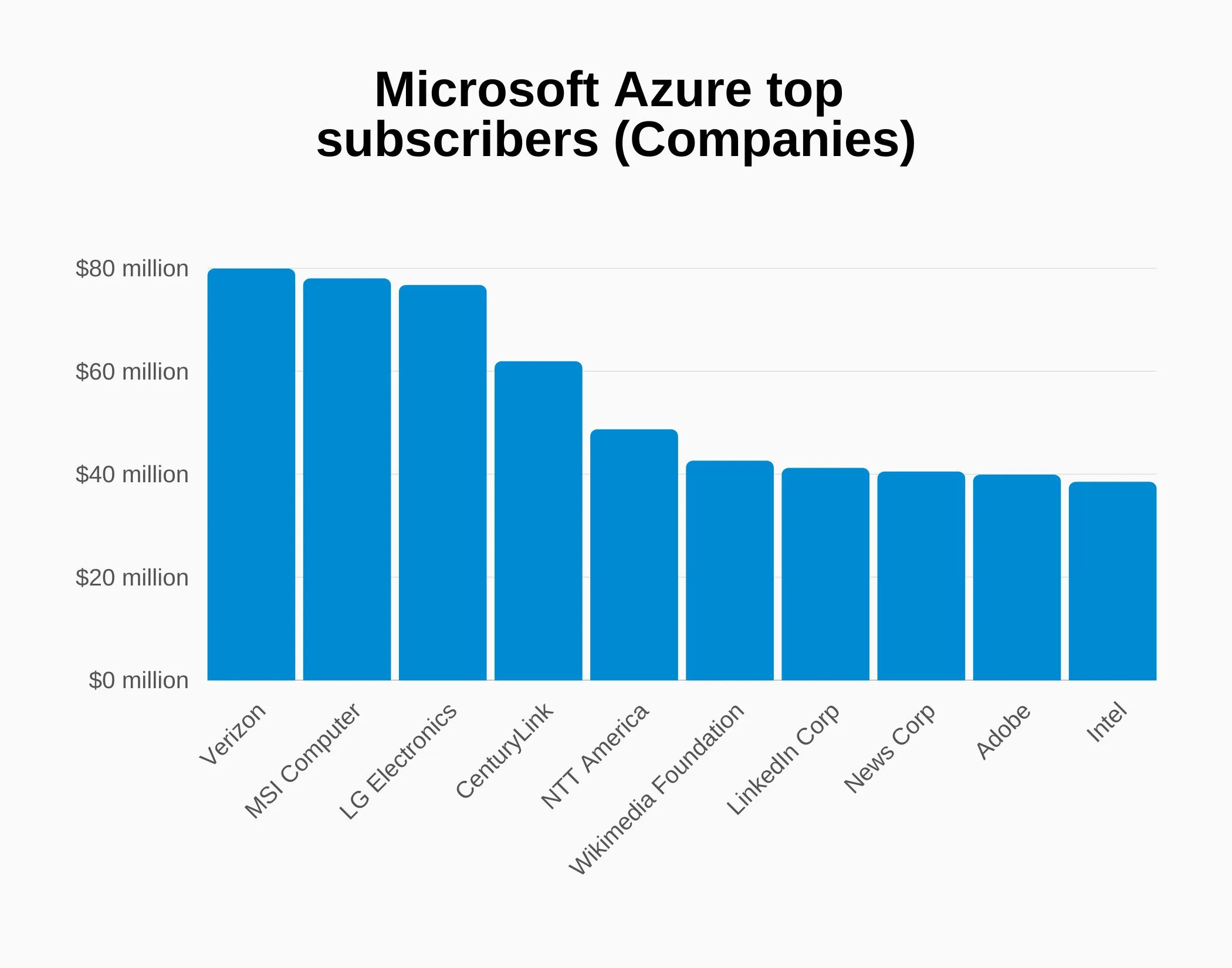
Microsoft Azure is the second-largest cloud provider and biggest competitor of Amazon Web Services, with a market share of 25% in Q1 2024. Like AWS, Azure offers multiple services for computing, networking, and storage. However, it also offers integration with Microsoft tools and software. Thus, Microsoft Azure makes cloud computing easier to integrate into a business that already uses Microsoft software.
Popular Products: Virtual Machines, Kubernetes, Blob Storage, Cosmos DB, Azure Arc
Google Cloud Platform (GCP)
GCP is a public cloud platform that was started by Google in 2011. In the first quarter of 2024, GCP commanded an 11% market share of the cloud infrastructure service providers market. This cloud provider offers many computing services including machine learning and AI services. GCP hosts computer resources in its data centers, which businesses can access on a pay-per-use basis. However, it has fewer data centers than Azure and AWS and offers DevOps-friendly solutions. One of GCP's many advantages is that it is easier to manage and affordable, as it offers flexible contracts. Additionally, the cost is per second, not per minute, so you will pay for only what you use.
Popular Products: Compute Engine, Cloud Storage, Cloud Run, Cloud SQL, Google Kubernetes Engine, Cloud CDN, Cloud Functions
Alibaba Cloud
Alibaba Cloud offers an array of cloud products and services including computing, networking, storage and CDN, database, analytics, and security. One of the big advantages of this cloud platform is its scalability, with the ability to adjust resources in response to demand. Alibaba Cloud dominates the Asian market and is quickly growing worldwide, with a market share of 4% in Q1 2024. It specializes in e-commerce, media, and gaming. Additionally, it offers a more competitive pricing structure than most cloud providers.
Popular Products: Elastic Compute Service (ECS), Object Storage Service, Container Service for Kubernetes, Virtual Private Cloud (VPC), ApsaraDB for PolarDB
Oracle Cloud Infrastructure (OCI)
Oracle is another robust cloud infrastructure provider designed for enterprise workloads. OCI offers multiple cloud services, including platform as a service (PaaS), infrastructure as a service (IaaS), and software as a service (SaaS). The key benefits of this platform include high-performance computing capabilities, advanced security, and scalability and reliability.
Popular Products: Compute, Database, Storage, Functions
How to Choose the Best Cloud Infrastructure for Your SaaS Application
Every business looking to migrate to the cloud needs to consider the following factors and research various options before choosing the right cloud infrastructure.
Identify Business Requirements
The first step in choosing the right cloud infrastructure for your SaaS application is to conduct a thorough evaluation of your business requirements. Identify the business and technical goals you want to achieve through the SaaS app development. Determine the application's features and the demand of your target audience. Understand data storage needs, workloads, and projected growth patterns. Whether you want to improve scalability, enable seamless remote collaboration, or increase data security, identifying the business requirements and objectives will help you narrow down the cloud service providers.
Pick a Reliable Cloud Service Provider
After identifying your business needs and goals, start researching cloud service providers. Determine whether the cloud provider offers SaaS services and compare multiple providers. You can choose one from the top cloud service providers. A cloud service provider is a long-term commitment. Although businesses can switch cloud providers, the process is expensive and time-consuming. Therefore, choosing the right provider will set your app up for success.
Choose the Right Cloud Infrastructure Model
There are different types of cloud infrastructure to choose from, including private, public, and hybrid cloud. Choose the type that aligns with your business requirements and falls within your budget.
Related Post: The Top 10 Cloud Computing Trends for 2024 and Beyond
Factors to Consider When Choosing the Cloud Service Provider
Choosing the right cloud provider is a strategic decision that requires careful consideration of various factors. From scalability to service versatility and cost implications to robust security features, below is the checklist to help you ensure that you consider all the crucial aspects before making a decision.
Robust Data Security
Data breaches can significantly affect your SaaS product and your company's reputation. Thus, choosing a cloud provider with strong security measures and compliance standards is crucial to protect your applications and data. This includes secure access controls, multi-factor authentication, data encryption, and regular security audits.
Flexibility and Scalability
One of the many benefits of using cloud infrastructure is its scalability. As your SaaS application becomes popular in the market, your application may experience an unexpected surge in demand. Therefore, look for providers that can accommodate growth and offer scalable services such as auto-scaling, storage, elastic computing, and database services. Auto-scaling can adjust the resources automatically depending on demand, and load balancing can divide incoming traffic among several servers to ensure an even distribution of load.
Pricing Models
Cloud infrastructure offers significant cost savings compared to traditional IT infrastructure. However, businesses need to understand the pricing models that come with cloud platforms and other associated fees before committing to a cloud provider. Providers charge based on different pricing models, such as fixed price plans, pay-as-you-go models, or usage-based pricing. Some cloud platforms may also offer discounts for new customers. It is worth comparing the prices and discounts offered by multiple cloud providers.
Reliability & Performance
The performance and reliability of your SaaS application can make or break the user experience. Therefore, choose a cloud provider that provides excellent uptime and high-performance computing resources for a smooth user experience. Reliable service providers are dedicated to delivering high levels of performance and reliability. They leverage advanced technologies and best practices to ensure that the cloud environment meets service-level expectations.
Integrations
Your SaaS application may need to interact with other tools and platforms. Seamless integration with existing applications and IT infrastructure is crucial for a smooth transition to the cloud. So, choose a cloud platform that supports your current systems for a hassle-free experience. The ease of integration will minimize disruptions to your business operations and simplify data migration.
Data Backup and Disaster Recovery Options
Data is an invaluable asset for any business, and robust backup and disaster recovery procedures are critical criteria to consider when choosing cloud infrastructure services. Evaluate the provider's disaster recovery capabilities to ensure the safety of your data and application. A well-designed recovery plan can reduce downtime and ensure business continuity in any event of unexpected disruptions.
Final Takeaway
Choosing the right cloud infrastructure is important for the success of your SaaS application. When you choose the infrastructure, you need to consider factors such as security, scalability, budget, integration, flexibility, and performance of the cloud provider. Since the cloud is a dynamic environment, it is important to carefully review the choice of your cloud provider to make sure it continues to align with your evolving business needs and remains up to date with industry trends. Last but not least, you should partner with a reputable SaaS app development company to build a top-notch application for your business.
ownAI offers cloud-based app development services to help businesses benefit from the latest cloud technologies. Our developers are well-versed in all leading cloud platforms, including AWS, Microsoft Azure, GCP, and OCI. Whether you want to develop an application from scratch or migrate an existing application to the cloud, our skilled team of developers can help you with both.
Contact us to learn more about how ownAI can help you succeed in the competitive cloud market by embracing the transformative power of cloud infrastructure!

Let’s discuss about your next AI, Cloud or Digital Transformation.
 AI-Skilled & Agile
 Transparent, Trustworthy &
Vetted team Not tech, but business &
customer first approach





 Turn your idea into MVP in 8-16 weeks