


Healthcare today is under pressure from every direction.
Patient volumes are rising. The staff is stretched. Administrative work keeps piling up. And at the same time, patients expect faster diagnoses, better care, and seamless experiences.
This is where AI and workflow automation are changing the game.
Hospitals are now using AI to detect diseases earlier, analyze massive datasets in seconds, automate repetitive administrative tasks, and even predict patient risks before they become critical.
What used to take hours or days can now happen almost instantly. Teams get time back. Decisions become more data-driven. Care becomes more personalized.
Yet most healthcare organizations aren't fully aware of the pros and cons of AI and workflow automation in healthcare and its real impact.
Because every technology comes with its pros and cons, and it's something every healthcare organization must be aware of before implementing it.
So, if you're planning to adopt AI, understanding the pros and cons of AI and workflow automation in healthcare will help you make the right decision.
In this guide, you'll explore:
- Role of AI and workflow automation in healthcare
- Pros and cons of AI and workflow automation in healthcare
- Key regulatory considerations for AI in healthcare
- Estimated cost of AI and workflow automation in healthcare
- Top emerging trends of AI in healthcare
By the end of this guide, you'll understand exactly the role, pros and cons of AI and workflow automation in healthcare, and what steps you need to take further.
Role of AI and Workflow Automation in Healthcare
AI and workflow automation are changing how healthcare systems operate at both clinical and operational levels.
Instead of relying on manual processes and fragmented data, hospitals can now use intelligent systems to handle routine work, support decision-making, and improve overall efficiency.
At its core, AI works by analyzing large volumes of data such as medical records, images, and patient history to identify patterns and generate insights.
Technologies like machine learning, deep learning, natural language processing, and computer vision allow systems to understand complex information and assist in tasks that once required human effort.
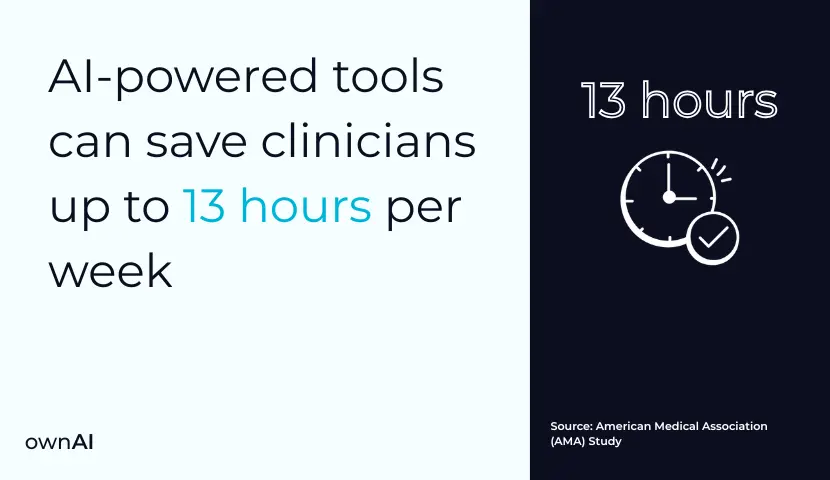
The biggest impact is not just speed or automation. It is the ability to free up time for healthcare professionals. Doctors and staff get more time to focus on patients instead of paperwork. Patients receive faster, more accurate, and more personalized care. Healthcare systems reduce costs while improving service quality, clearly showing the benefits of artificial intelligence in healthcare.
In simple terms, the pros and cons of AI and workflow automation in healthcare define how these systems improve efficiency and quality without replacing human expertise.
How AI Applications are Revolutionizing Healthcare?
To understand the pros and cons of AI and workflow automation in healthcare, here are some major applications where AI is transforming healthcare:
Medical Imaging and Diagnosis: AI scans X-rays, MRIs, and CT images to detect diseases early and with high accuracy. This helps doctors make faster and more reliable clinical decisions.
Predictive Analytics and Risk Detection: AI analyzes patient data to predict health risks and potential complications. This allows early intervention before conditions become critical.
Personalized Treatment Planning: AI uses medical history, genetics, and lifestyle data to create tailored treatment plans. This improves outcomes and reduces trial-and-error in care.
Drug Discovery and Development: AI processes massive datasets to identify drug candidates and predict their effectiveness. This speeds up research and reduces development costs.
Remote Monitoring and Telehealth: AI-powered devices track patient health in real time and enable remote consultations. This improves access to care and supports continuous monitoring.
Robotic Surgery and Precision Care: AI-assisted systems help surgeons perform complex procedures with higher precision. This reduces risks and improves recovery time.
Administrative and Workflow Automation: AI automates tasks like scheduling, billing, and record management. This reduces workload and frees up time for patient care.
What are the Pros and Cons of AI and Workflow Automation in Healthcare?
Here are some pros and cons of AI and workflow automation in healthcare:
Pros of AI and Workflow Automation in Healthcare
Here are some pros of AI in healthcare:
1. More Accurate and Early Diagnosis
AI can process medical images, lab reports, and patient history at a scale that is not possible manually. It helps detect diseases like cancer, heart conditions, and neurological disorders at an early stage, often with very high accuracy. This reduces diagnostic errors, speeds up treatment, and improves patient survival rates.
2. Faster Clinical Decisions with Real-Time Insights
In traditional systems, doctors often wait for reports, reviews, or manual analysis before making decisions. AI changes this by analyzing data in real time and providing instant insights. This is especially valuable in emergency care, where faster decisions can directly impact patient outcomes.
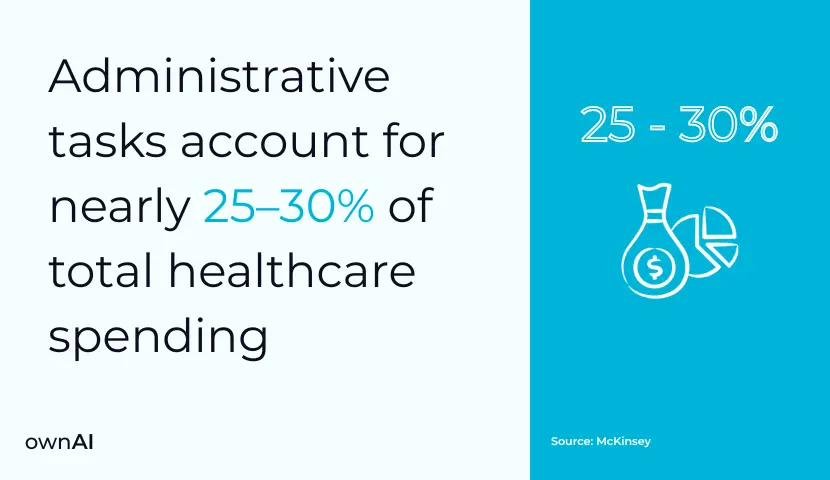
3. Major Reduction in Administrative Workload
A large portion of healthcare operations is spent on repetitive tasks like appointment scheduling, billing, insurance verification, and documentation. AI automates these processes, reduces manual errors, and improves efficiency. As a result, healthcare professionals can focus more on patient care instead of paperwork.
4. Personalized and More Effective Treatment Plans
AI analyzes individual patient data, including medical history, genetic information, and lifestyle factors. Based on this, it recommends customized treatment plans that are more likely to work for that specific patient. This reduces trial-and-error treatments and leads to better long-term outcomes.
5. Early Risk Detection and Preventive Care
AI uses predictive analytics to identify patterns that indicate potential health risks. It can flag early signs of deterioration, chronic disease risks, or complications before they become serious. This allows doctors to take preventive action, reducing hospital admissions and improving care quality.
6. Improved Hospital Operations and Resource Utilization
AI helps hospitals manage patient flow, optimize staff schedules, and allocate resources more effectively. It can predict admission rates, reduce waiting times, and improve overall operational efficiency. This leads to better patient experience and lower operational costs.
7. Better Access to Healthcare and Continuous Monitoring
AI-powered telehealth platforms and wearable devices allow patients to be monitored in real time without visiting hospitals frequently. This is especially useful for remote areas, elderly patients, and those with chronic conditions. It improves accessibility while ensuring continuous care.
8. Faster Medical Research and Drug Development
AI significantly speeds up the process of analyzing medical data for research and drug discovery. It helps identify drug candidates, predict outcomes, and optimize clinical trials. This reduces the time and cost required to develop new treatments by an AI development firm and brings innovations to market faster.
Cons of AI and Workflow Automation in Healthcare
Here are some key Disadvantages of AI in healthcare to consider:
1. Data Privacy and Security Risks
AI systems require access to large volumes of sensitive patient data to function effectively. This makes healthcare systems a major target for cyberattacks, data breaches, and misuse. A single security failure can compromise patient trust and lead to serious legal consequences.
2. High Implementation and Maintenance Costs
Adopting AI is not just about buying software. It involves infrastructure upgrades, system integration, staff training, and continuous maintenance. These costs can be very high, making it difficult for smaller hospitals and clinics to adopt AI effectively. That’s why SMBs are looking for AI consulting firms for cost-efficiency.
3. Bias and Inaccuracy Due to Data Limitations
AI systems learn from existing data, and if that data is incomplete, outdated, or biased, the results can be inaccurate. This can lead to unequal treatment, misdiagnosis, or poor recommendations, especially for underrepresented patient groups.
4. Over-Reliance on AI and Reduced Human Judgment
As AI becomes more integrated into workflows, there is a risk that healthcare professionals may rely too heavily on it. If AI systems provide incorrect outputs and human oversight is weak, it can lead to serious clinical errors.
5. Loss of Human Touch in Patient Care
Healthcare is not just about diagnosis and treatment; it also involves empathy, communication, and trust. Increased automation can reduce direct interaction between doctors and patients, which may negatively impact patient experience and satisfaction.
6. Regulatory and Compliance Complexity
AI in healthcare must comply with strict regulations related to data privacy, safety, and ethics. However, these regulations are still evolving, making it difficult for organizations to ensure full compliance. This adds complexity and slows down adoption.
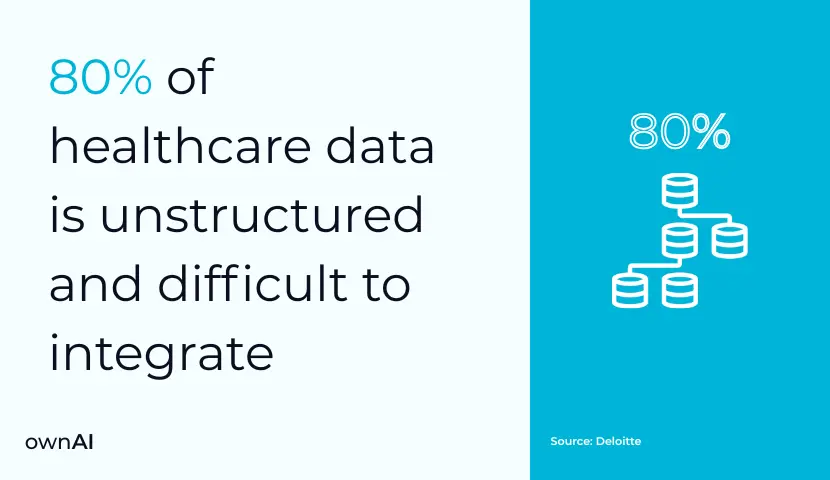
7. Integration Challenges with Existing Systems
Many healthcare organizations still rely on legacy systems that are not designed for AI integration. Implementing AI requires compatibility, data standardization, and system upgrades, which can be time-consuming and costly, reflecting the advantages and disadvantages of artificial intelligence in healthcare.
8. Accountability and Reliability Concerns
When an AI system makes an incorrect diagnosis or recommendation, it is often unclear who is responsible. This creates legal and ethical challenges. It also raises concerns about how much trust should be placed in AI-driven healthcare decisions.
Key Regulatory Considerations for AI in Healthcare
When evaluating the pros and cons of AI and workflow automation in healthcare, it’s important to understand the key regulations that govern its use.
Here are the most important considerations you need to know:
1. HIPAA Compliance and Data Protection
AI systems that handle patient data must strictly follow healthcare privacy laws like HIPAA. This includes protecting sensitive health information, encrypting data both in transit and at rest, and maintaining detailed audit logs so every interaction with the system is traceable and accountable.
2. FDA Oversight for Clinical AI Tools
AI applications that influence diagnosis, treatment planning, or clinical decisions may be classified as medical devices. Hospitals must verify whether these tools require regulatory approval or need to follow specific FDA guidelines before they can be safely used.
3. Advanced Data Security Measures
Beyond compliance, strong cybersecurity is essential. Healthcare providers must protect AI systems from breaches, ransomware, and cyberattacks. Choosing vendors with recognized certifications like SOC 2, HITRUST, or ISO 27001 helps ensure higher standards of data security.
4. Ethical Use and Bias Control
AI models must be regularly audited to ensure fairness and accuracy. If not monitored, they can produce biased or misleading recommendations. Transparency in how AI systems make decisions and continuous evaluation are critical to maintaining trust and care quality.
5. Staff Training, Governance, and Human Oversight
Proper governance is required to manage AI effectively. Healthcare teams must be trained to interpret AI insights correctly, follow clear escalation protocols when alerts arise, and ensure that final decisions always involve human judgment rather than relying solely on automation.
Top Emerging Trends of AI in Healthcare
Here are the key trends shaping the future of AI in healthcare:
Generative AI for Administrative Work: AI tools can now listen to doctor-patient conversations and automatically create clinical notes. This reduces documentation time and helps clinicians focus more on patients instead of paperwork.
Autonomous AI for Hospital Operations: AI is moving beyond suggestions and starting to take actions. It can manage scheduling, optimize staff allocation, and improve patient flow, making hospital operations more efficient.
AI-Driven Drug Discovery: AI is speeding up how new drugs are developed by analyzing data and identifying potential compounds faster. What used to take years can now be done in much less time.
Advanced Medical Imaging and Detection: AI is improving how medical images like X-rays and CT scans are analyzed. It helps detect diseases earlier and can even support patient safety by monitoring risks like falls.
Precision Medicine and Personalized Care: AI combines genetic data, medical history, and lifestyle factors to create highly personalized treatment plans. This improves treatment effectiveness and reduces side effects.
Remote Monitoring and Connected Devices: Wearables and smart medical devices continuously track patient health and send data to AI systems. This enables early intervention and better management of chronic conditions.
AI-Powered Virtual Health Assistants: Advanced AI assistants help patients with symptom checking, appointment support, and health guidance. This improves patient engagement and reduces pressure on healthcare staff.
These trends will redefine the pros and cons of AI and workflow automation in healthcare.
How Can ownAI Help You Implement AI in Healthcare Smoothly?
Implementing AI in healthcare is complex. One wrong decision can lead to wasted cost, workflow disruption, or compliance risks.
ownAI focuses on getting it right from the start.
Instead of directly building solutions, the process begins with a deep understanding. The goal is to identify where AI will actually create value, not just where it sounds good.
Here’s how ownAI ensures smooth and effective implementation:
Problem-first approach, not tech-first: Focus on real healthcare challenges before suggesting any AI solution.
Clear identification of high-impact use cases: Pinpoint where AI can reduce workload, improve care, or optimize operations.
Smart workflow integration: AI systems are designed to fit into your existing processes, not disrupt them.
End-to-end execution: From planning and data strategy to development and deployment, everything is handled in a structured way.
Built for real-world performance: Solutions are tested for accuracy, reliability, and usability in actual healthcare environments.
Continuous improvement after launch: Ongoing monitoring, optimization, and support to ensure long-term value.
Ready to implement AI in healthcare without the guesswork?
Book a free consultation with our AI experts today and get a clear, practical roadmap tailored to your workflows, goals, and compliance needs.
Conclusion
AI and workflow automation are clearly transforming healthcare. They improve diagnosis, reduce workload, optimize operations, and make care more personalized and proactive.
But they are not risk-free.
Along with the benefits come real challenges like data security, high costs, system complexity, and the need to maintain human judgment in every decision. This is why blindly adopting AI is not the right approach.
The real value comes from using AI where it actually makes sense.
If implemented correctly, it can support healthcare teams, improve patient outcomes, and make operations more efficient. If done wrong, it can create more problems than it solves.
We hope this guide helped you understand the role, pros and cons of AI and workflow automation in healthcare, and the risks of AI and workflow automation in healthcare in a clear and practical way.
So, if you're now ready to implement AI in your healthcare organization, then it's time to hire an experienced AI development company and let the experts guide you with a well-planned approach.
Frequently Asked Questions (FAQs)
1. Where does AI actually deliver the highest ROI in healthcare?
AI delivers the most value in areas that are repetitive and data-heavy, such as diagnostics, administrative workflows, and patient flow management. These areas show quick improvements in efficiency, cost reduction, and accuracy.
2. How do you know if your healthcare organization is ready for AI implementation?
You are ready when you have clear workflows, structured data, and defined problems. Without this foundation, AI will not solve issues and may even create more complexity.
3. What problems should you solve first before adopting AI in healthcare?
Focus on major bottlenecks like delayed diagnosis, high administrative workload, inefficient operations, or long patient wait times. AI works best when applied to clear, high-impact problems.
4. What are the biggest risks of AI in healthcare that you cannot ignore?
Key risks include data privacy issues, biased or inaccurate outputs, high implementation costs, integration challenges, and over-reliance on AI without human oversight.
5. Can AI be trusted for clinical decisions and patient care?
AI can support decisions by providing insights, but it should never replace doctors. Human validation is essential to ensure safety, accuracy, and proper patient care.
6. How do you prevent AI bias and ensure fair patient outcomes?
This requires high-quality, diverse data, regular audits, and continuous monitoring. Transparency in how AI makes decisions is also important to maintain fairness.
7. What is the most common reason AI projects fail in healthcare?
The biggest reason is the lack of a clear strategy. Many organizations adopt AI without a defined use case or measurable goal, which leads to poor results.
8. How do you measure the real success of AI in healthcare after implementation?
Success should be tracked through outcomes like reduced workload, faster diagnosis, improved patient care, lower costs, and better operational efficiency.





 Turn your idea into MVP in 8-16 weeks