



Successful business growth is a result of successfully implementing a digital transformation strategy. The ability of businesses to embrace digital transformation is closely linked with their capacity to adapt and thrive in this digital world. Digital transformation services , including AI, IoT, ML, and data analytics, have emerged as a ray of hope. They provide businesses with the tools and strategies needed to succeed in this dynamic environment.
From business automation to artificial intelligence, advanced digital transformation services are reshaping the way businesses operate, engage with customers, and promote innovation. The digital transformation market is growing significantly, with an impressive 23.9% annual growth rate between 2024 and 2030. Future-proofing your business through digital transformation involves leveraging innovative technologies like AI, embracing adaptable strategies, reinforcing security, driving meaningful changes, and fostering a culture of innovation in the organization.
Successful digital transformation is the vehicle to ensure the business can handle whatever comes next in the future. Commitment to digital transformation also means future-proofing your business. However, the journey to future-proof your business with successful digital transformation is continuous and challenging, but its long-term benefits can set up your company for future growth.
If you're thinking about how to bring digital transformation into your business or how to create a future-proof digital transformation strategy, this article will answer all of your queries.
What is Digital Transformation and Its Importance in Today's Digital Era
Digital transformation is the process of using the power of digital technologies to automate processes, optimize workflows, analyze data, and work smarter. It involves integrating advanced technologies and methodologies in all areas of business to meet value, innovation, and efficient goals. It's worth noting that digital transformation is not only about embracing new technologies, it is also a cultural shift that requires businesses to constantly experiment, challenge the status quo, and accept failures. It promises to completely transform business operations, empowering them to become competitive, agile, and customer-centric.
When it comes to its significance in this digital world, it has become an integral part of modern businesses. Businesses across all sectors are embracing innovative technologies to gain a competitive edge, and the results are impressive. Digital transformation also creates a dynamic environment with stakeholders. This transformation is an enterprise-wide endeavor to fuel growth, boost productivity, increase customer experience, and streamline operations.
Ultimately, it is a powerful tool for future-proofing as it moves your business forward and modernizes its operations. As a result, organizations are adapting to digital transformation, and if any are left out, they will gradually lose their competitive edge.
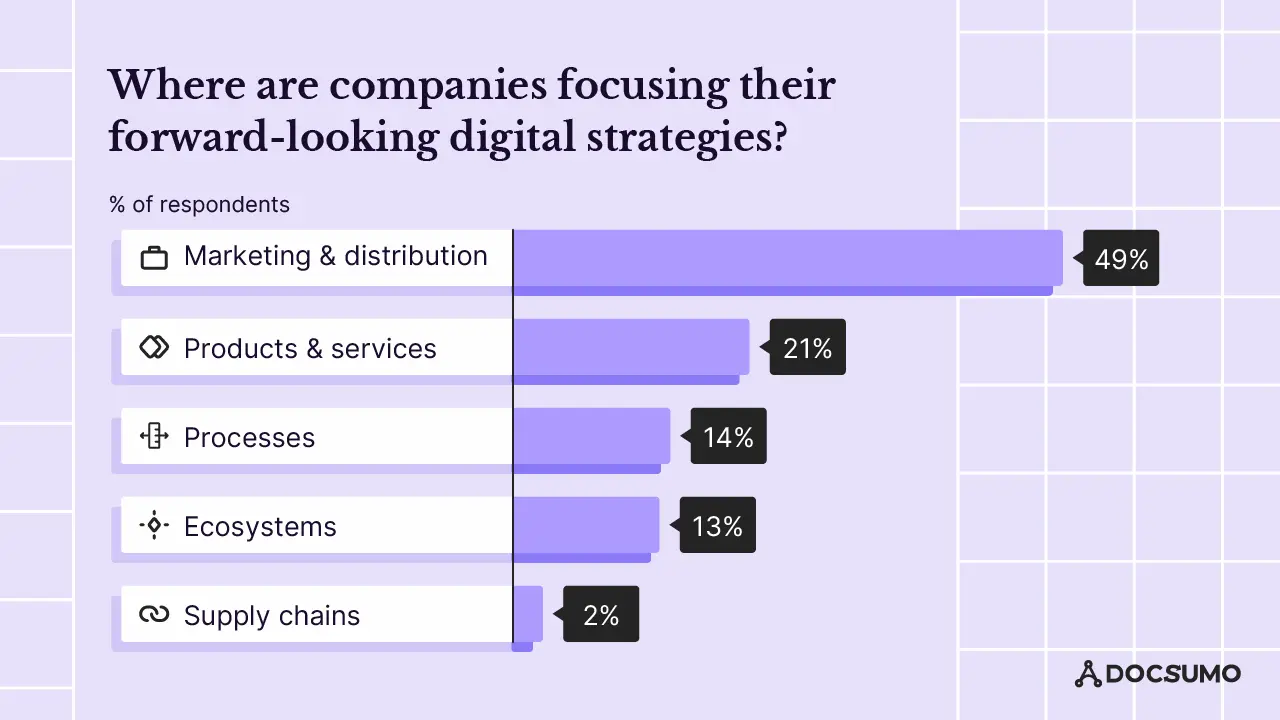
Image Source: docsumo
What is meant by Future-Proofing Business
Future-proofing is the process of foreseeing, adapting to change, taking proactive measures to strengthen business, and preparing for future challenges to thrive in any economic situation and successfully navigate through tough times. This strategic approach empowers companies to adopt innovative mindsets, resilient practices, and adaptable strategies. It's all about positioning an organization to respond effectively to market changes.
Future-proofing your business becomes imperative in today's business landscape as this proactive approach allows you to identify possible risks and make informed decisions that will ensure long-term success. When organizations fail to adopt this, they may hit major barriers such as competitive disadvantage, increased costs, strained customer relationships, and market irrelevance.
Elements of Successful Digital Transformation
A successful digital transformation program is driven by well-defined objectives and a clear vision. Here are the critical elements and objectives of the digital transformation:
Increased Customer Engagement
The goal of digital transformation is to create smooth, personalized, and improved customer experiences and engagement. Customers now want the best possible and fastest experiences through digital channels. This includes enhancing user interfaces and leveraging data-driven insights to predict customer needs. According to a study, boosting customer engagement remains a major goal behind digital transformation.
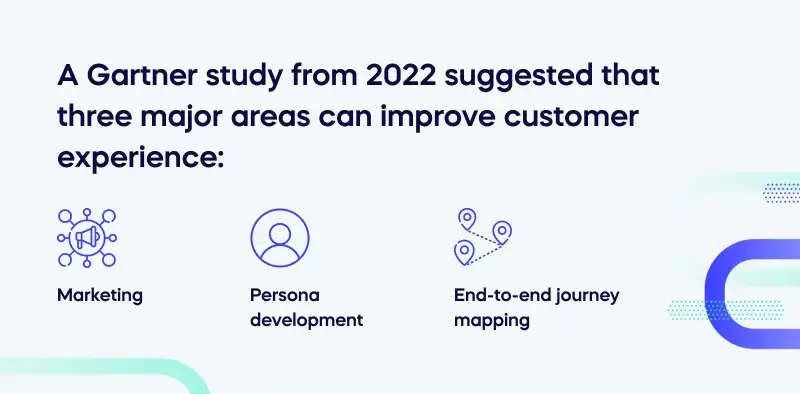
Image Source: walkme
Data-driven Decision Making
Leveraging business intelligence solutions and data analytics allows organizations to gain valuable insights, optimize strategies, make informed decisions, and identify growth opportunities. A data-driven approach helps businesses manage risks, predict trends, and improve operations based on real-time data analysis.
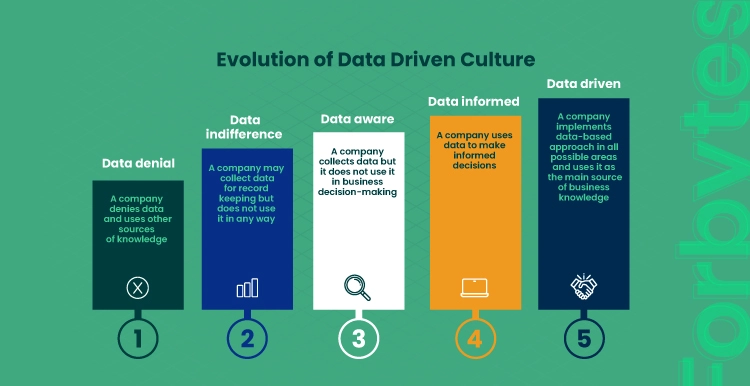
Image Source: forbytes
Agility and Adaptability
Digital transformation allows businesses to quickly respond to market changes and emerging trends. It encourages adaptability and agility, enabling businesses to pivot when needed. Businesses can adapt quickly to rapidly evolving customer expectations, time-to-market pressures, and supply chain disruptions.
Compliance and Data Security
Leveraging technology to strengthen cybersecurity and data security is an integral goal of digital transformation. By adopting proactive cybersecurity practices, businesses can protect sensitive data, maintain customer trust, and prevent cyberattacks before they actually occur.
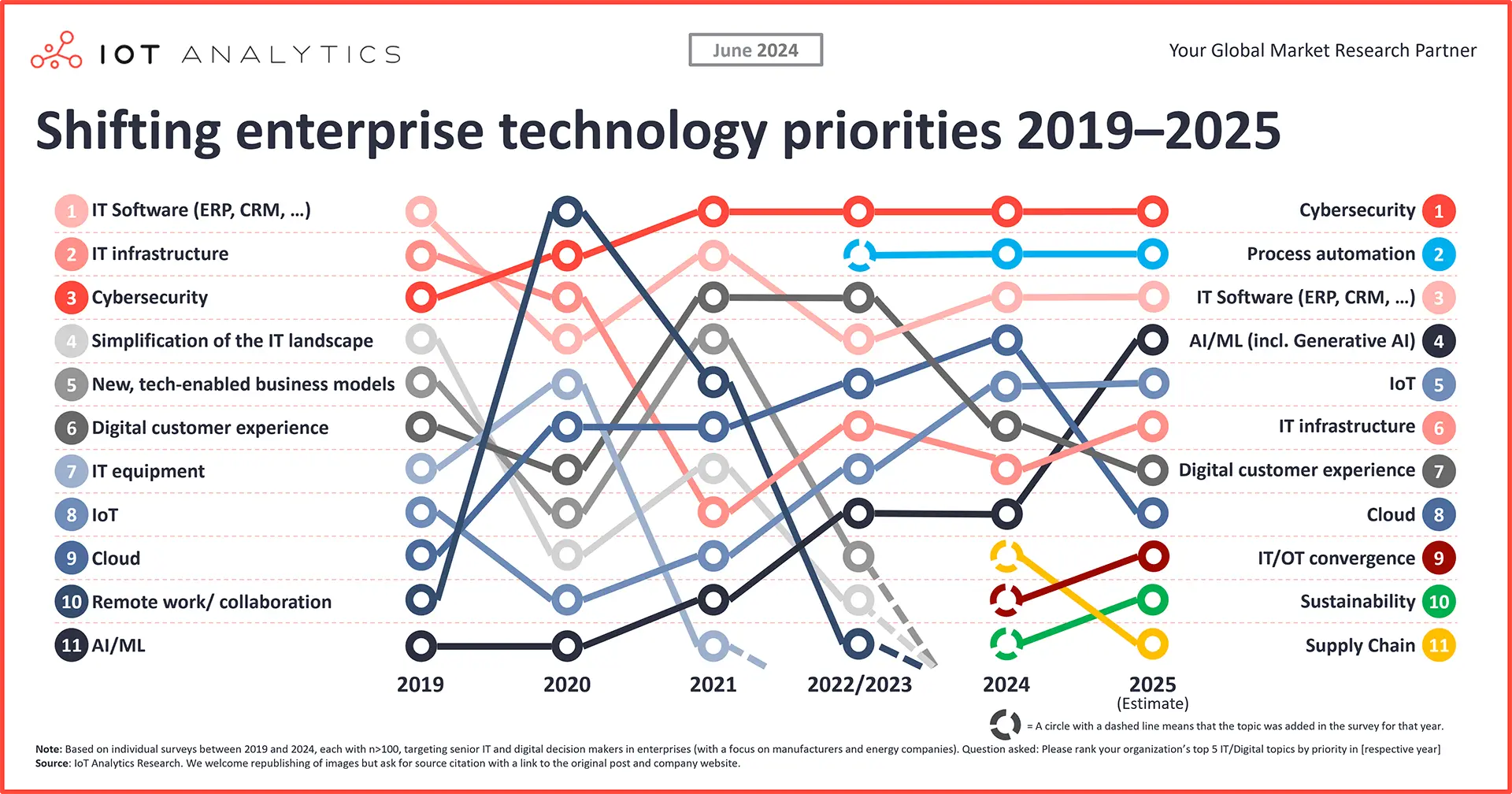
Image Source: IOT Analysis
Innovation and Growth
By integrating advanced technologies like AI and cloud computing, organizations lead their industries by innovating in digital product development, business model formulation, and service delivery. Additionally, it allows them to foster a culture that encourages new ideas and experimentation. Leveraging digital technology enables you to reach a wider audience and expand your customer base in new markets, opening new revenue streams for you.
Key Approaches to Create a Future-Proof Digital Transformation Strategy
Here are key steps to formulate a successful digital transformation strategy that will ensure the best outcomes and secure your business in a highly competitive future.
1. Establish a Clear Vision
Building a clear vision is the first and foremost step in creating a digital transformation strategy. Business executives and employees need to have a strong direction of progress and know what digital transformation will look like in their company. Crafting a clear vision involves finding the answers to the following important questions:
How will digitalization meet company goals?
How will digital transformation bring value to business?
How will everyone in the company contribute to the company's vision?
How will each individual's role progress through digital transformation?
A compelling vision will encourage employees to embrace modern working practices and see the benefits of digitalization. Also, it will boost trust among senior employees throughout the organizational structure.
2. Define Your Business Goals
The next thing is clearly defining what you want to achieve with digital transformation. What specific goals do you have in mind? Defining the goals is different from building a vision. Your digital goals should align with your company's overall vision. These goals should be smart and innovative, which stands for achievable, measurable, specific, time-bound, and relevant. A vision gives a brief overview of your transformation dream, but goals need to be more detailed.
3. Create a Transformation Roadmap
Without a roadmap, the employees and management will be lost. In a roadmap, you have to define the objectives, scope, timelines, milestones, deliverables, and responsible parties. At this stage, it is crucial to plan a budget for your project to know how much the transformation will cost you. This transformation strategy should include pilot programs to test new processes and technologies.
4. Evaluate Your Organization's Current State
Assess your company's current situation, including technology infrastructure, governance structure, digital capabilities, customer experiences, and existing processes. For this initial evaluation, identify all the pain points impacting your operations and areas for improvement. Understand how the business operates from the top down to see the impact of digital transformation. Evaluate the influence of technology on employees, senior management, and customer experiences. Assessing the organization's state will guide you in decision-making throughout the future-proof digital transformation process.
5. Find the Best Implementation Methodology
The most crucial step is to find the best digital transformation methodology. These methodologies work as frameworks to introduce digital technology in organizations. They allow businesses to scale and repeat the transformation as needed. Agile is the best methodology for implementing digital transformation as it allows you to focus on customer needs and change the plan depending on employee and customer feedback. Whether you want to choose Agile or Waterfall methodology, assess your organization structure, company's culture, level of change management, and digital transformation goals.
6. Craft an Efficiency Improvement Plan
Future-proofing and digital transformation is a never-ending process. Operational efficiency and continuous improvement should be a top goal of your digital transformation project. Businesses seeking to boost their brand value and profit need to first improve efficiency.
Build an efficiency improvement plant and discover ways to address digital challenges, resolve IT issues quickly, filter out relevant information more efficiently, and make necessary improvements. Create a culture of innovation and constant improvement in your organization to adapt to evolving market dynamics and changing technology. Break down data integration, data analytics, and process automation, and define KPIs to choose the best technology and most effective deployment strategy.
7. Hire a Dedicated Digital Transformation Team
The above steps can be made smoother with the help of an experienced digital transformation team. This is because these professionals have decades of experience working on digitalization projects. A dedicated digital transformation team can help you achieve your digital dreams, future-proof your business, and unlock the full potential of your business. So, instead of relying on trial and error, it is best to hire someone who is already proficient in future-proofing and aware of all steps.
Challenges in Future-Proof Digital Transformation Strategy
It's almost difficult to collaborate without the use of a SaaS platform and cloud-based delivery technologies, but it's feasible now thanks to these innovations.
Creating a vision for the future
Future-proofing enables business growth and adaptability. However, this journey is not without challenges and risks. Here are some challenges you may encounter along the digital transformation journey.
Lack of Resistance to Change: Employees may find it difficult to adopt new technologies and changes in culture, which can decrease productivity and lead to lower adoption rates. Therefore, it is important to have a strong organizational change strategy to reap maximum benefits from digitalization.
Outdated Legacy Systems: Integrating new technologies with outdated legacy systems and technology can be complex and costly. So, carefully decide what to replace and decommission during transformation.
Data Security: Protecting data in the digital landscape is the main concern as it increases the risk of cyberattacks. Businesses should implement high-security practices with digital transformation and ensure compliance with data privacy laws such as CCPA or GDPR.
Lacking Expertise: The talent gap and lack of expertise in the team can cause the digital transformation process to slow down. A company should hire competent digital transformation personnel for successful results.
Final Thoughts
Future-proofing is an ongoing process that demands continuous learning, commitment, improvement, and dedication. To stay ahead in this digital era, companies must embrace digital transformation as a necessary survival strategy. Digital transformation is a significant part of modern technology and must be implemented in a way that suits your business. Organizations can ensure long-term profitability and sustainability by adopting the necessary practices to future-proof their operations. The key to this success lies in embracing change, seeking new opportunities, and staying agile to navigate through tough times and establish the company as a leader in its industry.
If you're worried about how you will future-proof your business and figure out all the required considerations in your strategy, connect with a trusted digital transformation partner to help you streamline the transformation. Collaborating with reliable digital professionals gives you an advantage in digital transformation and future-proofing, ensuring future stability.
How ownAI Can Future-Proof Your Business with Successful Digital Transformation
Mitigating failure risks in digital transformation and ensuring long-term success requires the implementation of proactive future-proofing strategies. ownAI offers modern and agile digital transformation services to help organizations embrace future-proofing strategies. Our digital transformation services include business process automation, data analytics, artificial intelligence, cloud computing, mobile app development, DevOps, and digital marketing. From creating an efficient digital strategy to implementing new innovative technologies, we provide a comprehensive range of digital transformation services.
As a digital product development company, we're aware of how the shifting customer preferences, evolving regulatory landscapes, and rapid technical development have created a dynamic business environment where change is constant. Therefore, agile digital transformation services have become important for businesses to stay competitive in today's evolving digital landscape. Our team of professionals will help you develop a success plan that fits your unique business needs, budget, and timeline.
ownAI can become your digital transformation partner and set your business up for long-term success. Contact us today to make your business future-proof by unlocking the full potential of digital transformation!

Let’s discuss about your next AI, Cloud or Digital Transformation.
 AI-Skilled & Agile
 Transparent, Trustworthy &
Vetted team Not tech, but business &
customer first approach





 Turn your idea into MVP in 8-16 weeks