


Are you looking for information regarding web application development but stuck with complexity?
Don't worry, this article has it all.
Consumers' expectations have risen as a result of their greater exposure to media on screens. In all their digital interactions, they want speed, individualization, adaptability, safety, and scalability. You, as a supplier of services related to creating web applications, are responsible for living up to these standards. If you don't speed up, you'll always be behind.
So, how can you create a web app that not only satisfies but also delights users? These are 12 easy steps to get you started with web application development.
- Step 1: Idea phase
- Step 2: Find out what your competitors are up to in your market
- Step 3: Plan the user's path
- Step 4: Create the web application wireframe
- Step 5: Build a clickable prototype
- Step 6: Design of the visual environment
- Step 7: Work on your front-end development
- Step 8: Create APIs for the back-end
- Step 9: Front-end and back-end API integration is a must
- Step 10: Verify and enhance your web app
- Step 11: Hosting your web application
- Step 12: Deploy the web application you have built
But before we get into the development of web apps, let's define what one is.
What exactly is a web app?
Users interact with a web app via their browser, which allows developers to create multi-channel apps that work on several devices, from smartphones to laptops to tablets.
Additionally, well-designed web applications may adapt to the screen size and device being used, making them responsive. Google Docs is a web-based service. Trello is the same way.
Benefits of web apps over mobile apps
- Responsive designs may give the flexibility needed to communicate with people on any device.
- Since they run in the browser, web applications do not need that you download them. As a result of this, online applications do not call for any storage space on the device.
- Since it uses common code and eliminates the need for native application development, it is less costly to build and maintain.
- A quicker speed to market as a result of a reduced amount of time spent on development and the opportunity to access customers of Android and Apple products. Even if you can take advantage of development that works across several platforms, each program still has to be packed and run independently. While using a web app, you are just responsible for one thing. When a web app is made available once it has been launched, anybody may use it.
In addition, web applications are also crucial in converting casual users into dedicated ones by enticing them to download mobile apps.
Different web applications types
- Static web applications - These web applications provide no personalization and include material that has been pre-rendered and cached before being sent to the user's browser. Some individuals do not consider static webpages to be "apps" because of the absence of interaction seen on such sites. A landing page for marketing is a good example of this kind of page.
- Dynamic web applications - Dynamic web applications take advantage of processing that occurs on both the server and client sides to create code in real-time. This makes it feasible for the page display to change whenever the page is refreshed or new input is entered. A blog is a typical example of this.
- eCommerce applications - A dynamic online application that enables shopping to be done inside a browser. The database of items, orders, and payments is managed using a web app designed for eCommerce. Even behemoths like Amazon enable buying through mobile applications in addition to their online platforms. Click here to let us work on your eCommerce application development.
- Portal web applications - Users can log into a protected or gated area using a dynamic web application, where they may access services, unrelated apps, or connections. Google is a good example of a gateway since it offers a variety of services, including search, email, and others.
- CMS web apps - Users can develop material via the use of a content management system (CMS) even if they lack technical expertise. Canva and WordPress.com are two examples of content management systems. WordPress.com is used to produce material for blogs while Canvs produces design content. Develop the best custom CMS solutions with ownAI.
- Progressive web apps - A website known as a progressive web app (PWA) looks and operates much like a mobile application. Progressive web app development requires familiarity with both mobile app development methods and web app development practices to be successful. Contact us now if you want our help with your progressive web app development.
Following an understanding of the advantages of web apps and the different types of web apps that are currently available, the next step is to understand the processes involved in creating an app and deploying a strategy that satisfies the requirements of modern consumers.
Web application development in 12 easy steps
1. Idea Phase
This phase is not about coming up with flawless concepts that are ready to be put into practice. Instead, put your energy into brainstorming sessions where addressing client issues comes first, so that you may come up with a slew of new and untested ideas.
Approaching brainstorming from the perspective of a customer problem assumes that others may be experiencing the same issue you are. As soon as you can identify and explain this pain point (the issue), you can begin brainstorming products to address it.
Let us have a look at the MoSCoW Mehod that helps in prioritizing the requirements…
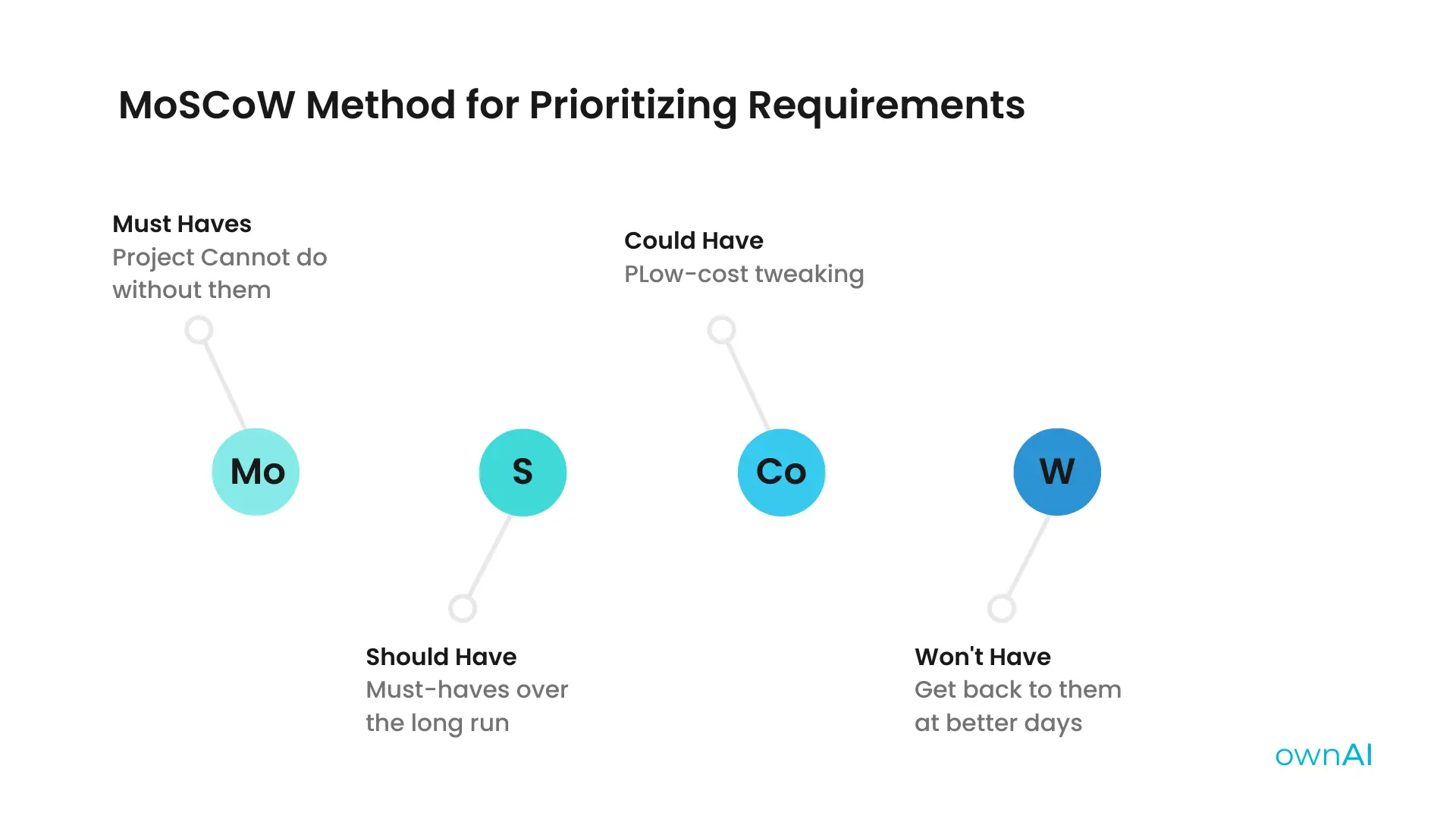
We Should always considers this method for a long run.
2. Find out what your competitors are up to in your market
When creating a new product, user research is the most critical step in the process. The team must have a thorough awareness of the user, the issue they are trying to address, the size of the problem (how many people are affected by it), and the alternatives they have to tackle the problem.
An understanding of the user and the competition may be gleaned via market research and used to guide technological decisions for the web app.
3. Plan the user's path
You may use a user journey map to track a person's path around your web application over time. By emphasizing the viewpoint of the client, the tale of their experience is brought to life for everyone to see. To better understand the user's (or customer's) requirements, motivations, and obstacles, it is important to map each stage of the user's (or customer's) journey.
4. Create the web application wireframe
Wireframes are digital versions of the future app's aesthetic ideas. It lays forth the product's structure and hierarchy, as well as the relationships between its components. To put it another way, think of a wireframe as a "draft" or "plans" for the web app's front and back ends, as well as how the app will function.
5. Build a clickable prototype
Prototyping a web app is as simple as adding interaction to the wireframes that have already been created. While still in its early stages, this prototype may be used to gather input on functionality, usability, and the user experience (UX) to inform future design decisions.
6. Design of the visual environment
The aesthetics of a web application are at the heart of visual design, which is a critical component of experience design. To get a sense of how an application will appear, UX designers produce mockups that include everything from the typefaces used to the colors used to the shapes of buttons to the dimensions of the screen components. Motion design components, like as animations and screen transitions, may also be included.
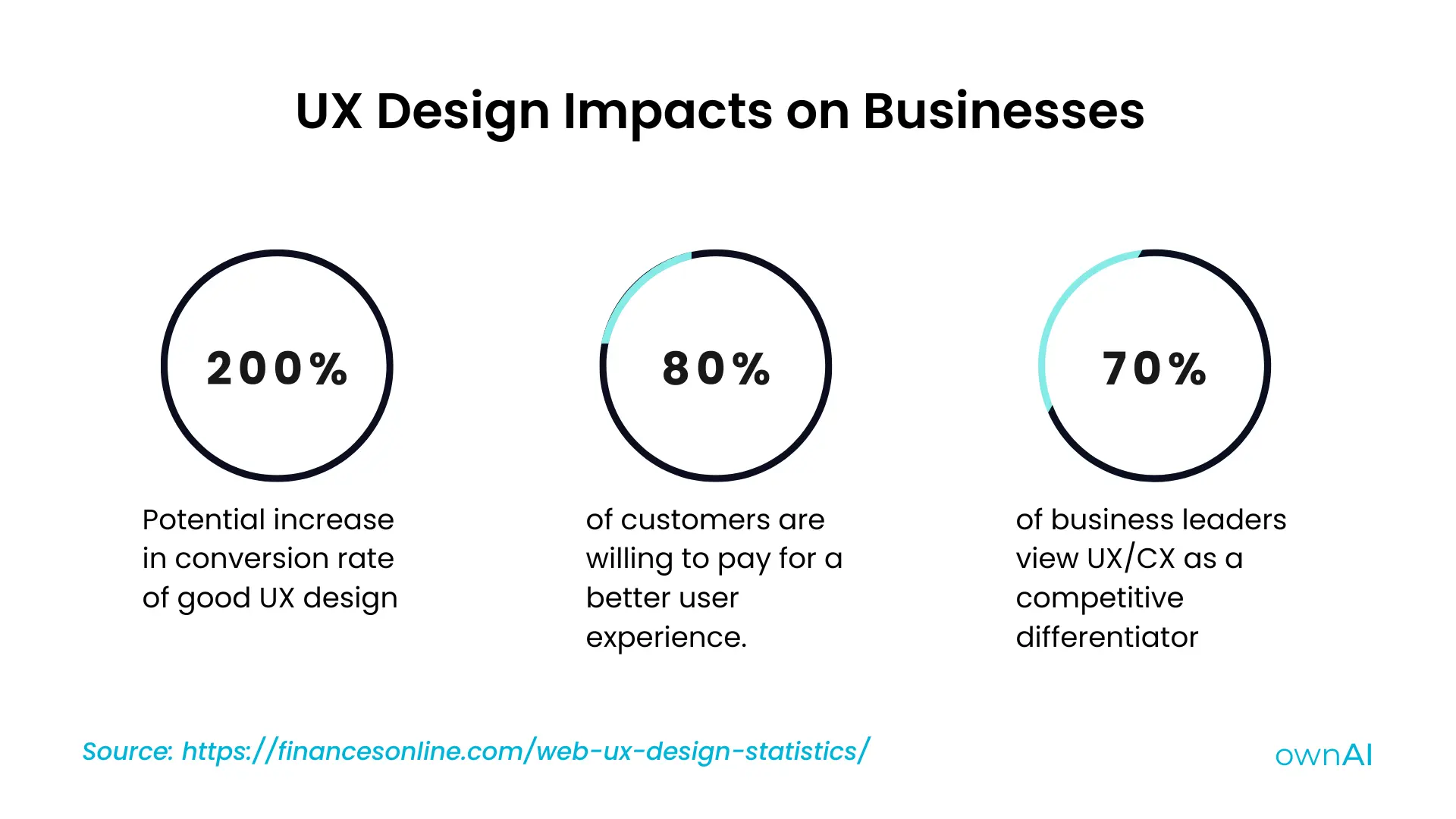
Design is generally driven by the "usability and usefulness" (UX) element, to provide a pleasurable and helpful experience for the user.
7. Work on your front-end development
Front-end development is the client-side program that shows the web app to the user in a browser. Several frameworks provide fundamental templates and components for the frontend's HTML, CSS, and JavaScript.
Read more on How SaaS Tool Development Can Benefit Your Company?
8. Create APIs for the back-end
The database, server, and application logic (code) are all included in backend development. Even though there are other options, the backend starts with one of the following two:
- Multiple page application: When data is transferred between the client and server, a new page is requested from the server and displayed.
- SPA - single-page application: Continuous interaction with the user by dynamically rewriting the current page rather than loading full new pages from a server is the goal of this web application development. The most common choice for web apps, single-page applications need simply an API framework.
There are a lot of frameworks that may help with development since the back-end is so large. Framework selection is influenced in part by the technology stack or programming languages being utilized. Ruby on Rails, Flask, Node.js, Laravel, Django, Swift, and Flutter are among the most popular solutions.
9. Front-end and back-end API integration is a must
Data may be communicated between front-end and back-end APIs thanks to API integration. Every stage of the customer journey, from the user login to the product inventory to the payment processing, requires API connectivity between the front and back ends.
10. Verify and enhance your web app
Testing is a key component of Agile development and should be part of the process iteratively. No matter what happens (good or bad) during testing, the app must be capable of handling it (negative testing).
User input is included in testing as it progresses from the first stages of development to the final stages of product delivery.
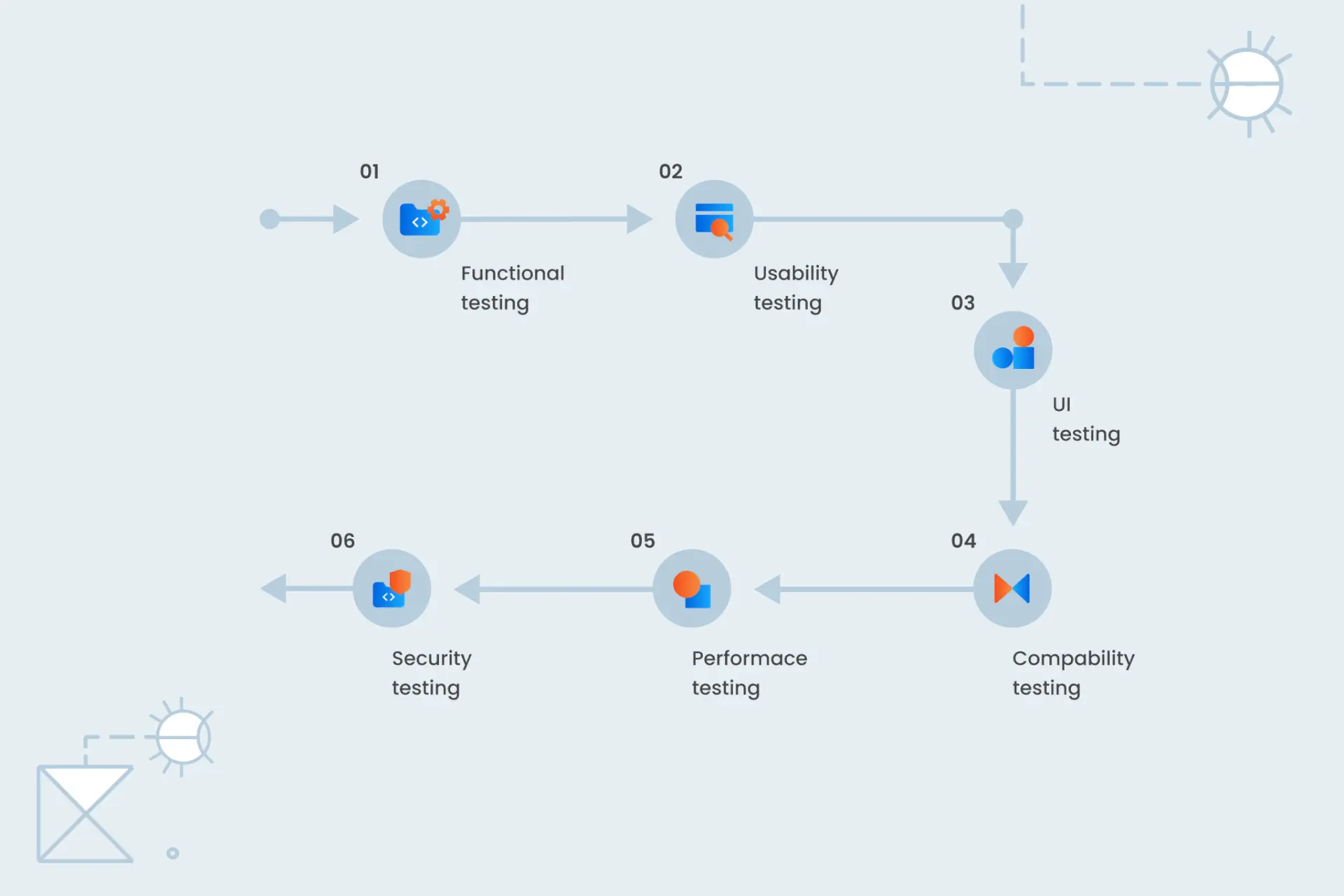
Image Source: https://testfort.com/
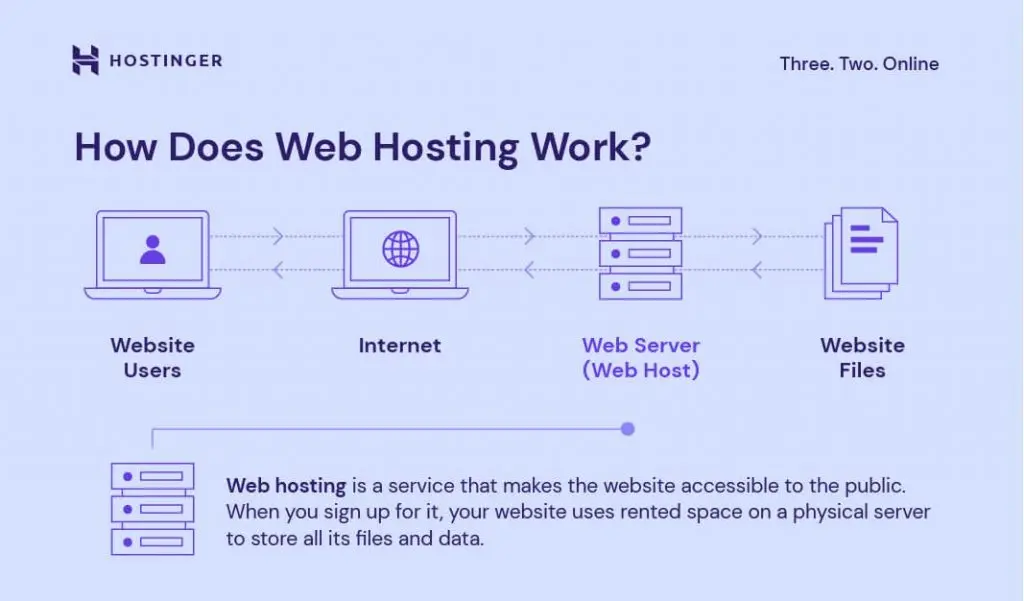
11. Hosting your web application
With cloud-based application hosting, a web app may be accessed from anywhere in the globe at any time. Choosing a server might be a question of personal taste, or it could follow your tech stack decision. Amazon, Microsoft Azure, and Google Cloud are three of the most popular cloud hosting services.
12. Deploy the web application you have built
It is now time to move the web app from source control to the cloud hosting service that was selected earlier. Tools like GitLab, Bitbucket, and Jenkins may assist with this phase of development, as they do with many others.
Agile and DevOps concepts indicate that deployment is not a one-time action, but rather the beginning of a process of continuous feedback, refinement, and delivery to guarantee that new features and enhancements are continually being delivered. This is the ultimate aim of any product development.
If you don’t want to deal with all these complicated processes, you will love our in-depth article on “Why should you hire a web application development company?”
Frequently Asked Questions (FAQs)
How much does web application development cost?
Web application development costs may vary greatly based on its level of complexity, the features and functions that are needed, the design and user experience, and the method of development. In general, the cost of developing a web app may vary anywhere from several hundred dollars for a straightforward app with a limited set of capabilities to several thousand dollars for a more complicated app with a more extensive set of features.
Is it feasible on a budget to create an app or a website?
Developing an app might be more expensive than developing a website. You should develop an app for your company if you find that you need one. Whether you build a website or an application relies on your final aim and the requirements of your organization. If you can do what you need to do using an app, you should use it.
Read “Website vs Web application development: What’s good for you?”
What are the necessary components for developing web applications?
Using programming tools such as CSS, JavaScript, and HTML5 are necessary components in the process of developing a web application. In addition, web application development frameworks may be used by developers to create apps. When compared, the creation of native and hybrid applications calls for the use of an integrated development environment.
Is Python a suitable language for developing web applications?
Python is a common programming language used often in the development of web applications due to its widespread popularity. It can be picked up quickly, has a large and vibrant community, and is backed by a plethora of frameworks and libraries to choose from.
Conclusion
Omni-channel online experiences are demanded from organizations today: on the web, via mobile applications, and on social media. Time is an important consideration in every project, whether you are coming up with a brand-new concept or converting an old product into a modern web app.
A full-stack development team with extensive expertise can help you get to market faster with ownAI Solutions assistance.
Hire a Dedicated and Extensive Web Application Development Team for Your Projects
Our bespoke web app development team can help you create high-performing web applications exactly how you have planned and imagined.
Send us your message here and we will be in touch with you ASAP.

Let’s discuss about your next AI, Cloud or Digital Transformation.
 AI-Skilled & Agile
 Transparent, Trustworthy &
Vetted team Not tech, but business &
customer first approach





 Turn your idea into MVP in 8-16 weeks