


Young buyers and entrepreneurs prefer online stores for purchasing and selling rather than visiting physical stores. Therefore, the e-commerce market is booming rapidly worldwide with no signs of a slowdown. According to a Statista report, global market sales are expected to reach over $8.1 trillion by 2026. These stats highlight the importance of having an excellent e-commerce website for all businesses. With the right tools and the right framework, any venture can quickly start selling its products and services online.

But how can you choose the ideal framework to create your e-commerce website? Should you use a SaaS framework or an open-source framework?
There is no one-size-fits-all framework. You need to identify your business requirements to choose the software that will list all your products, prioritize customer experience, enable online payments, handle shipping, and ensure your customers' data security. This article will discuss the types of e-commerce frameworks and the best frameworks trending in 2024 to help you create an attractive online store and promote your business.
What is an E-commerce Framework?
E-commerce frameworks are software used to create e-commerce websites or stores. Many people confuse e-commerce frameworks with programming frameworks. Even though they have some similarities, both terms are dissimilar and can't be used interchangeably. E-commerce framework refers to e-commerce website builders that give businesses the tools they need to create and run online stores.
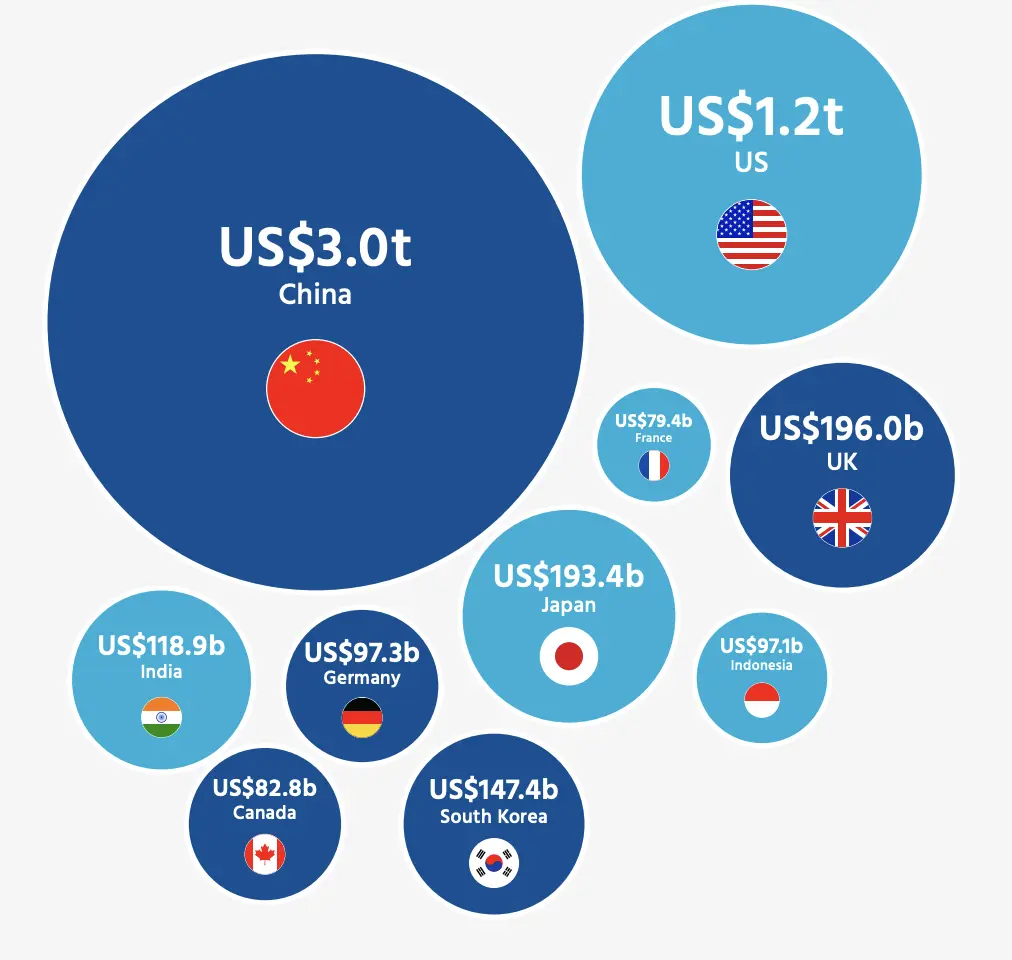
The biggest e-commerce markets by sales. Source:dig.watch
E-commerce frameworks simplify the process of developing an e-commerce site by providing a variety of valuable features customized to customers' specific needs. However, these frameworks are built on a foundation of programming frameworks. They create the structure of your e-commerce site and ensure it operates smoothly and has vital design elements.
Types of E-commerce Framework
There are three main types of eCommerce frameworks, each with unique features and meeting specific business needs. Understanding these types is essential for entrepreneurs looking to create an online store and aiming to establish a name in the e-commerce market.

Image Source:Startup Talky
SaaS E-commerce Framework
SaaS e-commerce development is a popular approach used in the e-commerce space. This framework works on a subscription basis in which users subscribe to software instead of buying it. In this framework type, e-commerce software is hosted, maintained, and improved by third-party vendors, which makes it easier for companies to run their online stores without having to deal with the hassles of managing servers, website structure, or software updates. Also, companies do not have to maintain an in-house team of e-commerce developers and designers. This framework is ideal for small and rapidly scaling businesses. Shopify and BigCommerce are examples of SaaS e-commerce frameworks.
Open Source E-commerce Framework
Open-source e-commerce platforms give users full access to the software's source code. This provides businesses the flexibility to modify and tailor their online stores to their specific requirements. Open-source e-commerce frameworks are ideal for companies that have dedicated teams of software developers and designers to make changes and adjustments in the system. WooCommerce, OpenCart, and Magento are examples of open-source frameworks.
Headless E-commerce Framework
The headless e-commerce framework uses a modular approach to facilitate a flexible architecture. This framework allows firms to separate the front-end and back-end of online stores so they have greater control and freedom. Firms can make changes to their e-commerce website without affecting the front end. Headless e-commerce frameworks are advantageous to enterprise businesses with specific needs. What's more, they can integrate with open-source and SaaS frameworks. Shopify, Magento, and BigCommerce offer headless e-commerce functionality.
Top 10 E-commerce Frameworks 2024
Choosing the right e-commerce framework is crucial to the success of your online business, regardless of its size. Your marketing strategies for your store can only succeed if you choose the right e-commerce platform. Let's take a closer look at the top ten e-commerce platforms so you can select the best one to develop the top-tier e-commerce store for your business.
1. Shopify
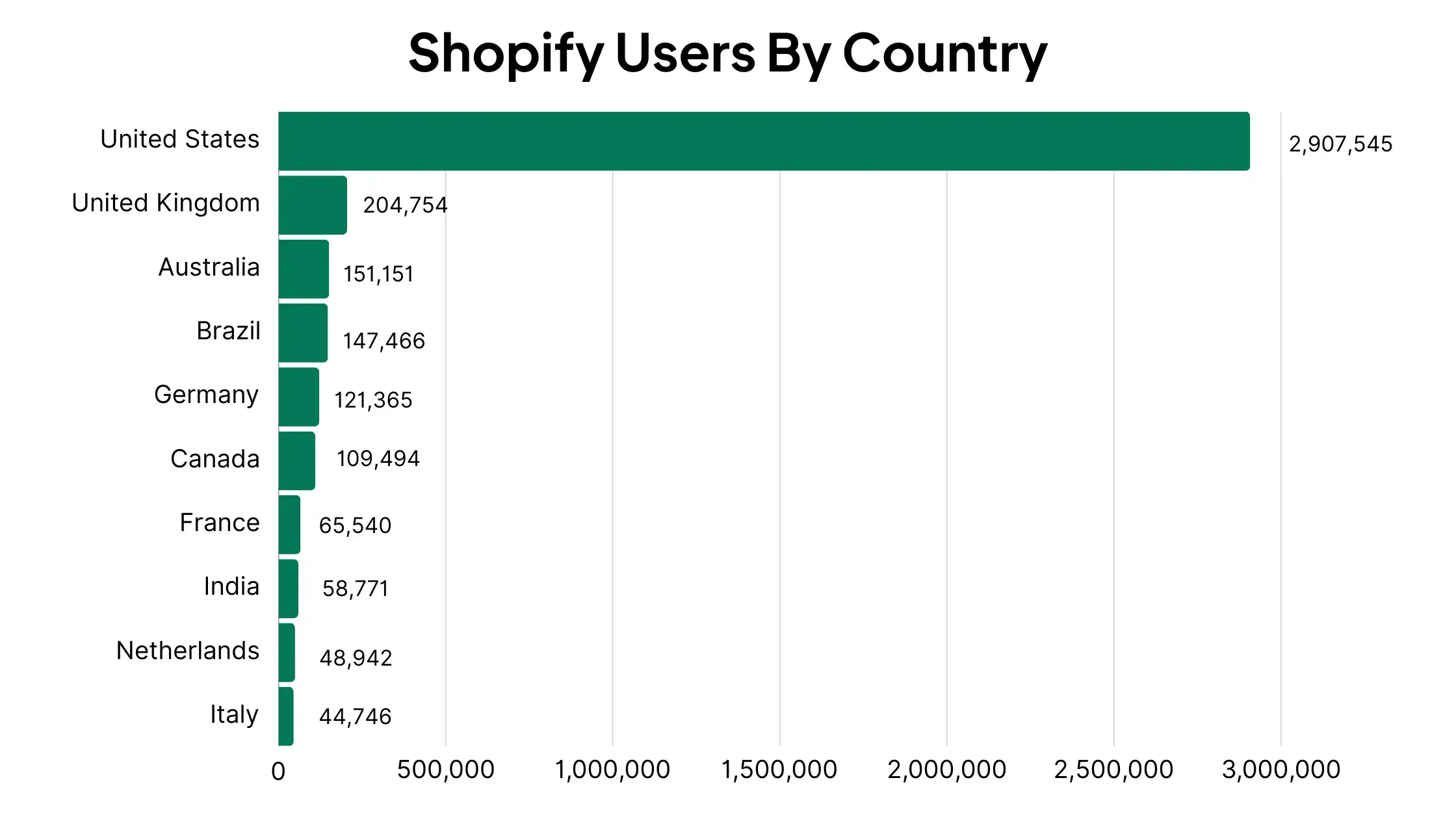
Image Source:MobiLoud
Shopify is a popular eCommerce platform that enables businesses to create and manage their online stores efficiently. Founded in 2006, it has become a global eCommerce giant, empowering over a million businesses. Its user-friendly interface and robust features allow entrepreneurs to quickly build and scale their online stores. The software platform is very beneficial for solopreneurs, startups, and businesses looking to set up straightforward e-commerce stores with all essential features. Additionally, you can integrate your Shopify store with SleekFlow to communicate with customers immediately.
Set up your store using Shopify's 14-day free trial. Once you sign up, you can access nine free and 64 paid themes.
Here are the pricing plans of Shopify.
- Basic: $19/months
- Shopify: $49/month
- Advanced: $299/month
- Plus: $2,300/month, this plan is for complex businesses.
2. Wix
Wix is another renowned software platform to start your ecommerce store. It stands out as an excellent choice for online shopping due to its simplicity and user-friendliness. Many small businesses use this framework to create their e-commerce stores from scratch because of its user-friendly drag-and-drop feature. You can create an e-commerce website on Wix for free, but you must upgrade to a premium plan to accept online payments and use Google Analytics. Moreover, you can add a Live Chat widget to your store to chat with customers.
Wix business and eCommerce plans start at $17/month.
3. WooCommerce
WooCommerce is one of the best e-commerce website builders that allows business owners to create a customizable online store on a WordPress domain. So, if you have a WordPress site, WooCommerce is the perfect choice.
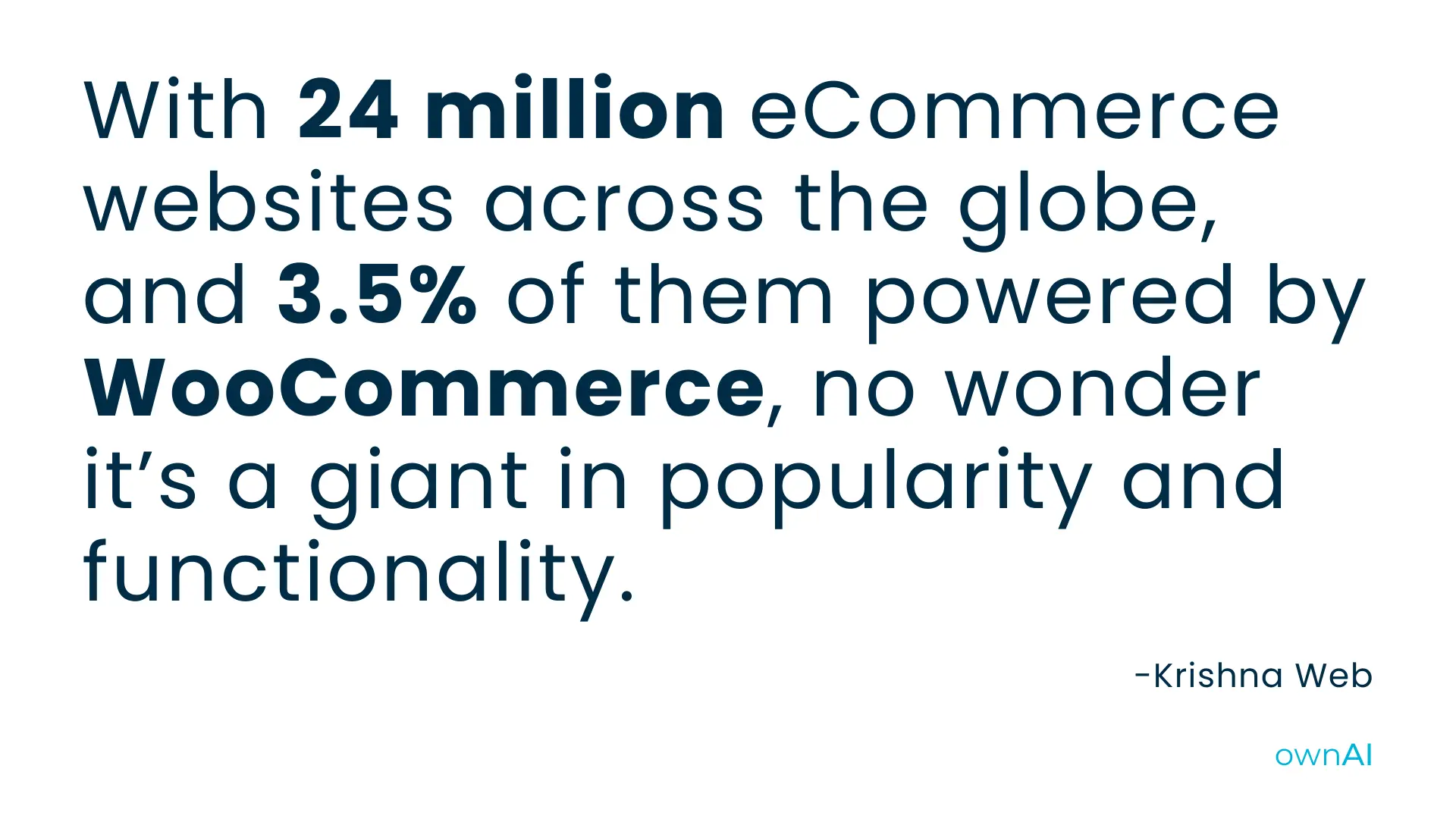
With this solution, you can convert your existing WordPress website into an e-commerce store. Some key features of this e-commerce solution include product variations, different user accounts, integration with payment getaways and accounting software, discounts, and coupons. This software builder has zero set-up cost; however, most plugins are paid. Its features, open API, flexibility, and performance make it a cost-effective option for solopreneurs and startups.
4. Magento
Magento is an open-source e-commerce solution that features drag-and-drop customization. The software is known by several names and has been owned by multiple companies. In 2018, Magento became a product of Adobe Inc., which offers graphic software solutions, so it is now called Adobe Commerce Platform. The platform is scalable and versatile and can be hosted on the cloud or personal servers.
Magento offers excellent merchandising features, including product comparisons, product categories, promotions, and discounts. This e-commerce platform has extensive order management with several payment options, currency conversions, and invoice calculations. Additionally, you can integrate it with Adobe eCommerce tools.
5. BigCommerce
BigCommerce is another highly popular eCommerce platform that aims to revolutionize e-commerce by providing SaaS solutions to merchants for building and managing online stores. It is regarded as a significant competitor of Shopify as it focuses on meeting the demands of established businesses. Furthermore, the platform offers an all-in-one solution with built-in features for store design, payments, inventory, shipping, and more. One of the many advantages of BigCommerce is its ability to integrate with online sales platforms and accounting software to facilitate business owners.
BigCommerce offers a 15-day free trial, and then you can pick one of the different plans , ranging from $29 per month to $299 per month. The platform doesn't charge additional transaction fees and allows you to enjoy unlimited products, storage, and staff accounts.
6. Squarespace
Squarespace is a website builder and e-commerce framework that allows entrepreneurs to create and manage online storefronts without relying on software developers or designers. In addition, Squarespace includes many built-in features, such as email marketing, SEO tools, and social media integration. Simplicity is the key feature of this platform. It offers a wide range of customizable and responsive templates that are easy to change, enabling businesses to create professional-looking stores without much technical expertise. However, to efficiently manage and grow your online business, you must understand its functions.
7. Volusion
One of the best e-commerce website builders that allows ventures to easily get their business online is Volusion. Volusion offers a wide range of e-commerce features, such as payment processing, unlimited products, product page building, inventory management, discounts, and promotions. Moreover, the platform also offers advanced features like SEO optimization, multi-channel selling, and CRM integration.
Volusion offers a 14-day free trial period and four pricing plans, starting at $35/month.
8. Ecwid
Ecwid is a widely used framework that makes it easy for businesses to sell products through their website or online store. You can sign up for an account and use the platform to create the online store. Ecwid stands out from the others because of its social media marketing feature. You can sell products or services on Facebook and Instagram without any monthly cost or transaction fees. It has an Instant Site feature that is best for beginners to quickly set up a one-page store.
9. Drupal Commerce
Drupal Commerce is a top-tier open-source e-commerce framework that enables you to create and manage multiple online stores. The platform provides extensive customization capabilities and integration possibilities with other tools and services. Drupal is backed by powerful product management and SEO features that can turn an e-commerce store into a potent source of revenue for businesses.
Some of the major benefits of this platform are multi-currency support, multilingual capabilities, flexibility, community support, content management features, and payment method API.
10. OpenCart
OpenCart is an excellent open-source e-commerce software that is free to use and has many built-in tools. The platform supports eight delivery options and accommodates more than twenty payment methods. Its user-friendly dashboard keeps all the data, allowing you to monitor your store's performance. OpenCart uses a module system for customizations.
This self-hosted framework stands out from other solutions with its features like unlimited products, multi-store admin, and marketing analytics tools. With OpenCart, you can open your online store in just a few clicks and manage multiple stores with different settings from a single interface
Final Thoughts
With the rising usage of smartphones, social media, and the internet, more and more customers prefer online shopping to visiting shopping malls. Therefore, every business is trying to create a strong e-commerce store to promote their business online. All the above e-commerce frameworks are trending in 2024, so you can leverage the right one to make an online business presence in the e-commerce domain. Each platform has unique features designed to address specific problems and meet specific business needs. Considering which e-commerce framework is ideal for you depends on your business model, nature of products, budget, customization possibilities, and desire to expand the business.
Looking for the best eCommerce development company to build an e-commerce store for your business? ownAI can help you in creating a custom eCommerce solution.
At ownAI, we have an experienced team of developers with substantial expertise in e-commerce web development. We specialize in Shopify, Magento, WooCommerce, OpenCart, and Drupal Commerce. Our development team will create the best e-commerce product for your venture according to your business needs, goals, and budget.
Contact us today to learn how ownAI can help you take your business online!

Let’s discuss about your next AI, Cloud or Digital Transformation.
 AI-Skilled & Agile
 Transparent, Trustworthy &
Vetted team Not tech, but business &
customer first approach





 Turn your idea into MVP in 8-16 weeks