



If managing thousands of assets manually on spreadsheets seems like a nightmare, then asset management software is an ideal solution for it. Every business needs a good asset management system in this rapidly evolving business world. An outdated system can cost you and your business a considerable amount of time and money. Frequent human errors, non-compliant reporting, damaged and lost equipment, forgotten items, and unsatisfied customers are a few issues that may arise.
Asset management software is a system that a company uses to track crucial details about inventory and equipment in real time. This improves services, lowers administrative costs, and gives your company greater visibility into asset maintenance, utilization, and expenses.
This article will explain what asset management software is and what this system does. Also, you will discover the benefits of an efficient asset management system and explore how this system can streamline your business operation and increase the value of your assets.
What is Asset Management Software?
Asset management software is a centralized system that tracks and manages a company's assets over their entire life cycle from procurement to disposal. Assets include physical items like machinery, inventory, equipment, or vehicles and also intangible assets like patents, software licenses, or intellectual property.
The primary goal of an asset management software solution is to provide total control and visibility over a company's assets for efficient planning, maintenance, utilization, and disposal of these assets.
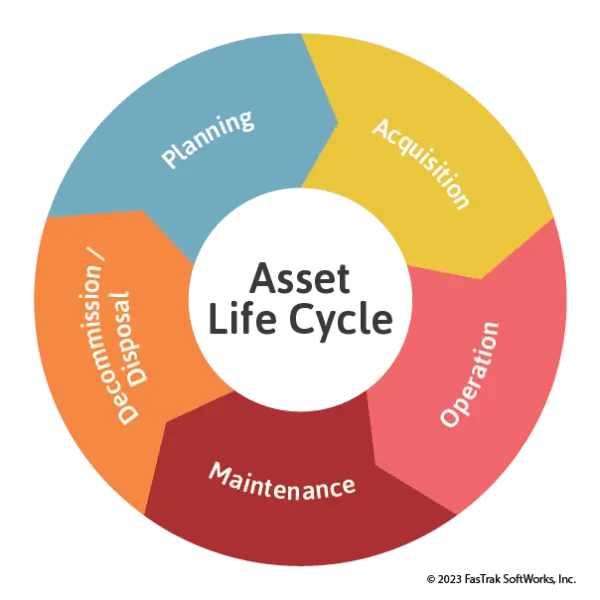
According to the American Society of Civil Engineers, asset management is the process of creating, maintaining, upgrading, and disposing of an organization's assets in a cost-effective way. Therefore, modern businesses use this system to streamline business operations and reduce administrative expenses associated with asset management.
Key Functions of Asset Management Software
Let's explore what asset management software can do for your business and look at its functions!
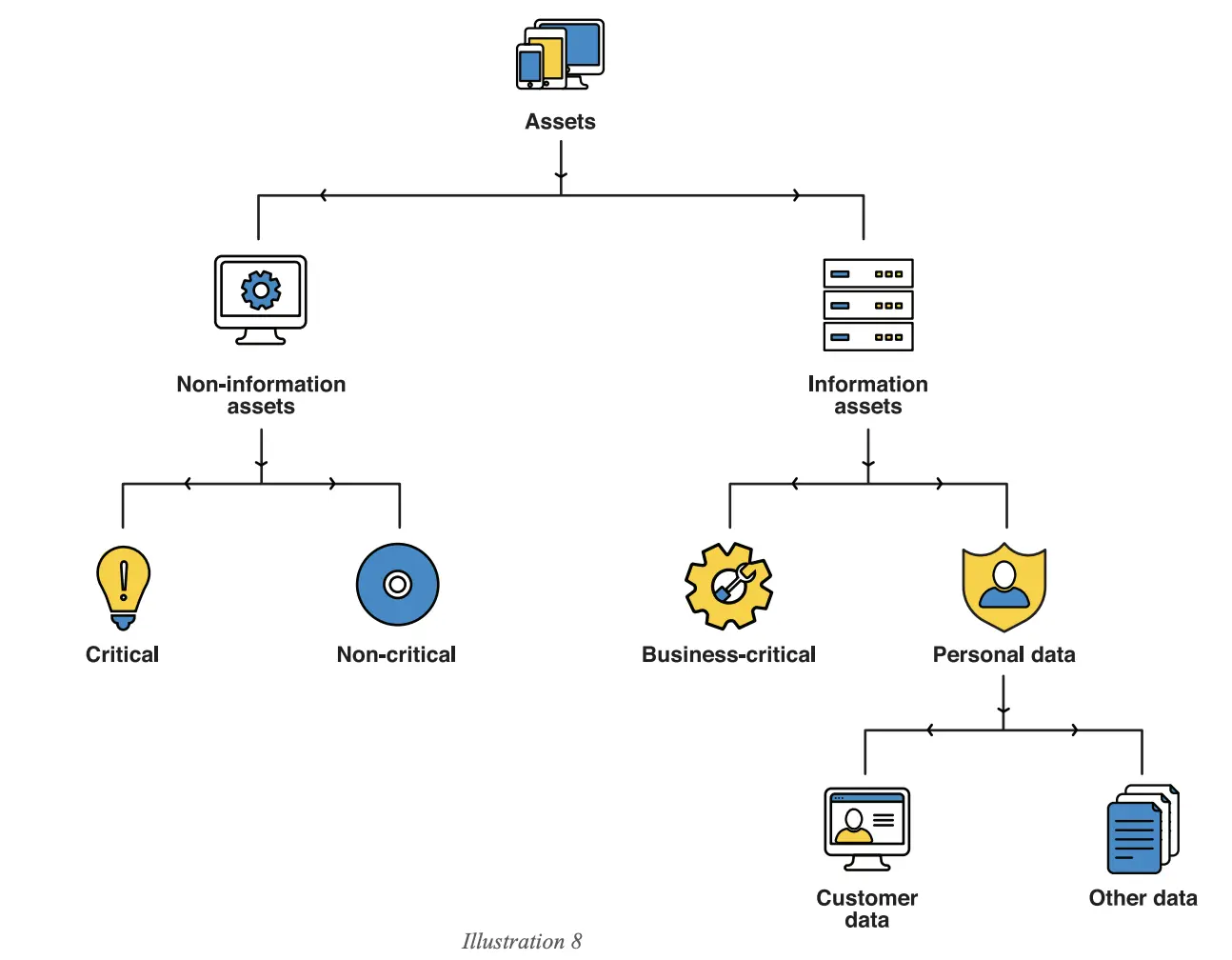
Image Source: https://www.manageengine.com/
Gives Easy Access to Asset Data
Asset data (details and documents) is required to monitor asset performance, decide whether to replace or repair an asset, and understand the tax implications of asset depreciation. We all know how frustrating it is when you cannot find the data you need urgently.
With an asset management system, you can access your assets quickly. You will have the option to search for your assets based on different criteria, such as location, asset type, warranty, owner, repair history, or install data. Having easy access to this information can save you a lot of time that you would have spent going through multiple spreadsheets.
Risk Management and Regulatory Compliance
According to IRS regulations, organizations must maintain detailed asset records to verify specific information about a company's assets. These records include purchase price, use of assets, useful life, lease agreement and type, lease terms, deductions claims for asset depreciation, and more. The documents that can help provide this information are real estate closing statements, purchase invoices, and canceled checks.
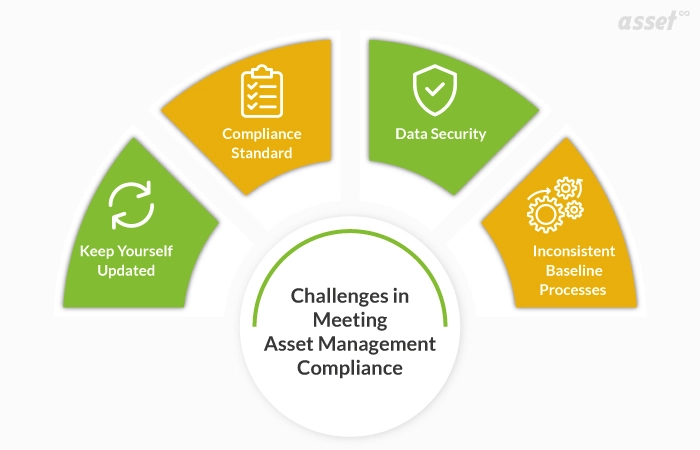
Furthermore, asset management software streamlines the process of storing documents securely, sending them to relevant parties in a matter of seconds, and generating reports. This eliminates the need for manual handling of asset data and lowers the risk of legal issues or penalties related to non-compliance.
Determines Total Ownership Cost for Assets
The cost of ownership for assets usually increases when assets lose value. For example, equipment may require more repairs after several years of usage. In most cases, it is best to replace the asset instead of constantly repairing it.
The total ownership cost includes the costs of operating, maintaining, and repairing the assets. If all these costs exceed the benefits the asset provides to the company, it's time to replace that asset. However, you must have accurate repair history and maintenance data to determine whether you should replace the asset. Asset management system keeps track of your asset costs to provide a complete picture. It helps you find out the right time to retire old equipment that is becoming a money pit.
There is one category called “Wasting Asset”. It is a type of asset whose useful life is limited. Here are some of the examples of wasting assets,
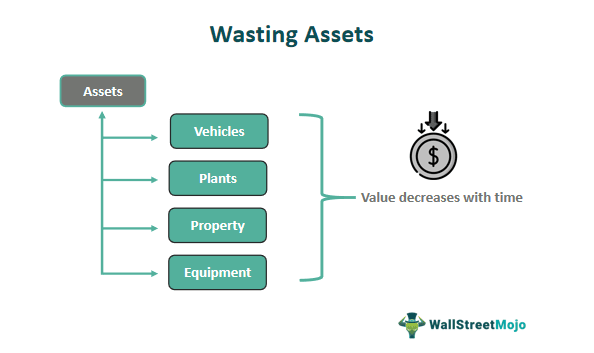
Image Source: https://www.wallstreetmojo.com/wasting-asset/
Facilitates Data-driven Decision Making
The asset management system provides insightful data and analytics on asset performance, usage, and costs. You can make effective decisions about maintenance plans, asset investments, and resource allocation by analyzing this valuable data. As a result, these data-driven decisions can reduce costs, improve asset utilization, and enhance operational efficiency.
Provides Scalability and Growth
Manual asset tracking methods become highly challenging as your company grows or you bring new assets. An asset management system provides scalability and growth to accommodate an expanding asset base. This can help you smoothly add new assets, update previous data, and scale the system according to evolving business needs.
Benefits of Asset Management Software
Imagine having to control every laptop, computer, or even inventory manually. Assets will be lost. Therefore, having a robust system is crucial to managing your company's assets smoothly. Here are the benefits of implementing strong asset management software.
Saves Time and Money
One of the significant benefits of the asset management system is that it helps you save time, reduce unnecessary costs, avoid costly repairs, and extend asset life cycles. The system centralizes all the data you need for asset monitoring and compliance assurance. When implementing the software properly, businesses can experience a significant ROI. This gives more time to the team for other crucial business tasks and saves the company money.
Enhances Efficiency and Productivity
Using asset management solutions eliminates the need for paper-based tracking systems or spreadsheets. This reduces human errors, saves valuable time, as well as decreases administrative load. Employees can track assets faster, optimize asset utilization, and schedule maintenance tasks by having instant access to asset data.
Allows You to Track and Monitor Asset Records
Asset management software solutions provide a centralized database that allows you to monitor all assets in one place. Digital product development companies may have assets like servers, computers, and software licenses. You can access all the crucial information you need to monitor the assets, such as asset status, location, repair history, and other relevant data. This facilitates effective asset tracking and increases asset visibility.
Helps Internal and External Auditors
Auditors have to verify the value and location of assets for audits and reporting purposes. So, they rely heavily on asset records to confirm the validity of assets that are listed on your financial statements.
Internal auditors can use records to ensure that the assets weren't misappropriated and proper internal controls are set up to protect the assets.
In addition, asset management software may also include features that give internal auditors status updates for assets, enabling them to effectively monitor assets.
How to Choose the Best Asset Management Software For Your Business Needs
Choosing the best asset management system for your business requires careful consideration and analysis of your specific business needs. Here are features to consider when choosing the most suitable software.
Identify Your Business Requirements
The first step is to understand the asset management needs of your organization. Consider the quantity and type of assets you have to manage, integration with other systems, features you require, and any compliance requirements.
Evaluate Features and Functionalities
Next, evaluate the features offered by the asset management system. You should consider crucial aspects such as asset tracking abilities, analytics and reporting, user-friendly interface, maintenance management, scalability, integration with current systems, and customization options. Review all these functionalities and determine how well each system aligns with your company's goals and meets your requirements.
Request Demos
Shortlist asset management system vendors and request product demos or trials. This will familiarize you with the software's functionality, user interface, and usability. Additionally, it will provide you with an opportunity to clear your doubts about the product.
Make a Wise Decision
Assess the ongoing support, implementation process, technical support, training, and security provided by vendors before making a decision. Lastly, compare the shortlisted systems and choose the one that best suits your requirements, offers the greatest potential for success, and aligns with your budget. Make sure the chosen system is scalable and can grow with your business.
Wrapping Up
Asset management software is a vital tool for all businesses today. If you're using manual processes and outdated systems, asset management can be a nightmare. However, with the right system, you can effectively manage all your assets in the workplace. Implementing an efficient asset management system can bring several benefits to your business, such as improved asset visibility, reduced cost, enhanced inventory control, and better regulatory compliance. The strong asset management system with accuracy and robust functionality eliminates frustration, boosts employees' productivity, and provides peace of mind.
If you are struggling to find the right software for your business needs, let us help you. At ownAI, our software advisors and best digital product development team will help you choose the right software solution that meets your business requirements.
Contact us today to build high-end digital solutions for your business!

Let’s discuss about your next AI, Cloud or Digital Transformation.
 AI-Skilled & Agile
 Transparent, Trustworthy &
Vetted team Not tech, but business &
customer first approach





 Turn your idea into MVP in 8-16 weeks