


AI agents are no longer a future concept; they are becoming the core systems driving how modern businesses operate.
But here’s the problem. Most businesses jump into AI agent development without truly understanding the AI agent development cost. And that’s where things start going wrong.
On paper, the numbers look simple. A vendor gives a quote. The scope feels clear. The budget seems manageable.
But once development begins, reality hits.
Costs increase. Timelines stretch. Hidden expenses show up. What started as a controlled investment quickly turns into an unpredictable one.
That's why understanding the estimated AI agent development cost is essential for businesses before taking any step further.
If not, it becomes very easy to overspend, underbuild, or end up with a system that fails in production.
So, if you’re serious about building AI agents and want to know the estimated AI agent development cost, then this guide is all you need.
In this guide, you’ll get a complete breakdown of AI agent development cost, different types, factors that affect costs, and hidden expenses most companies miss.
By the end of this guide, you'll know the estimated AI agent development cost.
So, without any further delay, let's dive in!
Quick Answer: How Much Does It Cost to Build an AI Agent in 2026?
The AI agent development cost to build an AI agent usually falls between $5,000 and $500,000+. It mainly depends on how simple or advanced your agent is.
A basic AI agent with limited features and simple tasks will cost much less. But as you add more intelligence, integrations, and real-time decision-making, the AI agent development cost increases.
Here’s a simple simple AI agent development cost breakdown to understand it better:
| AI Agent Type | Estimated Cost | What It Includes |
|---|---|---|
| Basic AI Agents | $5,000 – $50,000 | Simple chatbots, basic automation, limited features |
| Mid-Level AI Agents | $50,000 – $150,000+ | Smarter agents with LLMs, workflows, and tool integrations |
| Advanced AI Agents | $150,000 – $500,000+ | Complex systems, multiple agents, real-time decisions, high scalability |
In simple terms, the more intelligent, integrated, and scalable your AI agent needs to be, the higher the AI agent development cost will be.
What are AI Agents?
AI agents are software systems that can think, decide, and take action on their own to achieve a goal. Instead of following step-by-step instructions, they can handle tasks with minimal human input.
They are powered by advanced AI models, which help them understand context, process information, and make decisions. Unlike traditional chatbots that only reply, AI agents can actually perform tasks.
In simple terms, you give them a goal, and they figure out how to complete it.
Types of AI Agents & Estimated Cost
Not all AI agents are built the same. The type of agent you choose directly affects your AI agent development cost, how it performs, and what value it delivers.
Here’s a clear breakdown to help you understand what each type does and what the AI agent development cost typically is:
1. Rule-Based AI Agents
What they are: These agents follow predefined rules and fixed workflows. They don’t think or learn. They simply execute actions based on set conditions.
Where they’re used: Basic customer support, FAQs, simple automation, and internal workflows.
Cost Range: ~$5,000 – $50,000
2. RAG-Based (Knowledge) AI Agents
What they are: These agents connect with your data sources, like documents or databases, to provide accurate, context-aware answers instead of generic responses.
Where they’re used: Knowledge management systems, enterprise search, document handling, and customer support.
Cost Range: ~$25,000 – $250,000
3. LLM-Powered Task Agents
What they are: These agents use advanced AI models to understand instructions, handle conversations, and complete multi-step tasks using different tools.
Where they’re used: Workflow automation, customer interaction, content tasks, and tool-based operations.
Cost Range: ~$40,000 – $150,000+
4. Learning / Adaptive AI Agents
What they are: These agents improve over time by learning from user behavior, feedback, and data. Their performance gets better with continuous use.
Where they’re used: Personalization, recommendations, predictive systems, and intelligent automation.
Cost Range: ~$50,000 – $150,000+
5. Multi-Agent Systems
What they are: These systems include multiple AI agents working together, each handling a specific task to complete complex workflows.
Where they’re used: Enterprise automation, large-scale operations, and systems that require coordination across multiple processes.
Cost Range: ~$150,000 – $400,000+
6. Industry-Specific AI Agents
What they are: These are specialized agents built for industries with strict requirements, custom workflows, and compliance needs.
Where they’re used: Healthcare, finance, legal, insurance, and other regulated sectors.
Cost Range: ~$60,000 – $350,000+
In simple terms, the more intelligent, connected, and autonomous your AI agent is, the higher the cost will be. Start simple, focus on one clear use case, and scale as you see results.
Best Use Cases of AI Agents
AI agents are being used across different business areas to automate work, improve efficiency, and reduce manual effort.
Here are the most important use cases you should know:
Customer Support Automation: AI agents handle customer queries, resolve issues, and manage conversations 24/7, reducing response time and support costs while improving customer experience.
Sales & Lead Qualification: Agents engage visitors, qualify leads, answer product questions, and book meetings, helping businesses increase conversions without manual effort.
IT & Internal Helpdesk Automation: AI agents manage employee requests, troubleshoot common IT issues, handle access permissions, and automate internal support workflows.
E-commerce Assistance & Personalization: Agents recommend products, manage orders, handle returns, and personalize shopping experiences to drive higher sales and customer satisfaction.
Data Analysis & Business Insights: AI agents process large datasets, generate reports, and provide actionable insights, helping teams make faster and better decisions.
Marketing & Content Automation: Agents create content, assist with campaigns, and personalize messaging across channels, saving time while maintaining consistency and scale.
Enterprise Workflow & Multi-Agent Automation: Multiple AI agents work together to automate complex processes across systems, improving efficiency, reducing manual work, and enabling scalable operations.
AI Agent Development Cost Breakdown
The easiest way to understand AI agent development cost is to look at it in three levels based on complexity. As your agent becomes smarter and more capable, the cost increases.
Here’s a simple view:
| Tier | Cost Range (USD) | Complexity | Timeline | Best For |
|---|---|---|---|---|
| Tier 1 (Basic) | $10,000 – $100,000 | Low | 6–18 weeks | Startups, MVPs |
| Tier 2 (Intermediate) | $100,000 – $300,000 | Medium | 3–6 months | Growing businesses |
| Tier 3 (Advanced) | $300,000+ | High | 6–12+ months | Enterprises |
Tier 1: Basic AI Agents ($10,000 – $100,000)
These are simple agents built for clear and limited tasks like FAQs, scheduling, or basic automation. They follow straightforward logic and do not require heavy data or complex systems.
They cost less because development is faster, integrations are minimal, and the overall system is easy to manage. This is a good starting point if you want to test an idea without a big investment.
Tier 2: Intermediate AI Agents ($100,000 – $300,000)
These agents can handle more complex tasks like conversations, data analysis, and working across multiple tools. They understand context better and can manage multi-step workflows.
The AI agent development cost increases because they need better AI models, more integrations, and stronger system design. This level is ideal when you want real business impact and not just basic automation.
Tier 3: Advanced AI Agents ($300,000+)
These are high-end systems built for complex and large-scale operations. They can make real-time decisions, work with multiple agents, and handle critical business processes.
They require advanced architecture, strong security, large datasets, and continuous monitoring. That’s why they cost more, but they also deliver the highest value when done right.
Cost Breakdown by Industry
AI agent development cost changes based on the industry you build for. Even with similar features, factors like data sensitivity, compliance, and integrations can increase the AI agent development cost.
Here’s a simple breakdown:
| Industry | Common Use Cases | Estimated Cost | Key Cost Drivers |
|---|---|---|---|
| Financial Services | Fraud detection, loan processing, compliance support | $120,000 – $350,000+ | Strict regulations, high accuracy, and audit tracking |
| Healthcare | Patient records, documentation, and scheduling | $150,000 – $400,000+ | Data privacy, medical accuracy, and system integrations |
| Manufacturing & Supply Chain | Predictive maintenance, operations automation | $80,000 – $300,000+ | IoT data, real-time decisions, ERP systems |
| Human Resources | Hiring, onboarding, and employee support | $50,000 – $150,000+ | HR system integrations, data handling |
| Customer Support / E-commerce | Order tracking, support, and recommendations | $40,000 – $150,000+ | High traffic, CRM integrations, response speed |
| Legal & Compliance | Contract review, policy checks | $100,000 – $300,000+ | High accuracy, legal rules, and compliance needs |
In short,
The more regulated and data-sensitive your industry is, the higher the AI agent development cost will be.
So, start with a clear use case and build only what you need. This helps control your AI agent development cost and avoid overbuilding.
Hidden Ongoing AI Agent Development Cost
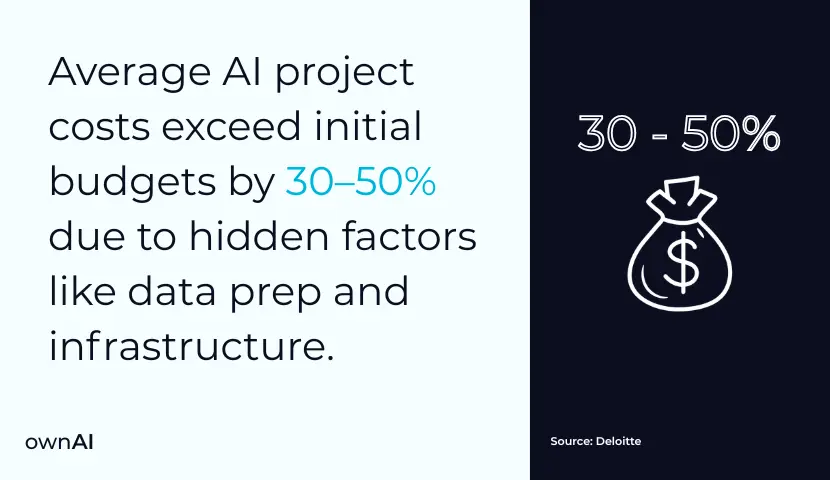
Most businesses plan only for the build cost. But the real AI agent development cost continues after launch. These hidden and ongoing costs can significantly impact your total AI agent development cost investment if not planned properly.
Data Preparation & Annotation ($10K – $50K+): Cleaning, structuring, and labeling data so the AI agent works accurately. Poor data increases errors and costs later.
Model Retraining & Updates ($500 – $3,000+/month): AI agents need regular updates as data changes. This keeps performance accurate and relevant over time.
Token Usage & AI Model Costs ($400 – $6,000+/month): Every interaction with AI models costs money. Inefficient prompts or high usage can quickly increase expenses.
API & Integration Costs ($5K – $40K+): Connecting with CRMs, ERPs, payment systems, and other tools adds both setup and ongoing usage costs.
Infrastructure & Hosting ($400 – $6,000+/month): Includes cloud hosting, databases, vector storage, and system performance management.
Monitoring & Observability Tools: Logging, tracking performance, and detecting errors require additional tools that come with recurring costs.
Security & Compliance ($25K – $75K+ annually): Required for industries handling sensitive data. Includes audits, testing, and compliance checks.
The build cost is just the beginning. Ongoing costs for data, infrastructure, and maintenance are what keep your AI agent running smoothly. Planning these early helps avoid budget surprises later.
Key Factors That Influence AI Agent Development Cost
Here are eight key factors that mainly influence the AI agent development cost:
Factor 1. Agent Intelligence & Complexity
Start by deciding how capable your agent needs to be. If it only handles simple tasks like answering FAQs, the cost stays low. But if you want it to understand context, handle different scenarios, and make decisions, the complexity increases quickly. This requires more advanced logic, better models, and deeper testing to make sure it works correctly in real situations.
Factor 2. Level of Autonomy
Think about how much independence you want to give your agent. If it only suggests actions, it is easier and cheaper to build. But if it needs to take actions on its own, like updating systems or running workflows, you need strong control systems, error handling, and monitoring. This adds both development time and long-term cost.
Factor 3. Data Quality and Availability
Your agent is only as good as the data it uses. If your data is clean, structured, and easy to access, development becomes faster. But if your data is scattered or unorganized, you need to invest time in cleaning, structuring, and building data pipelines. This step often increases the cost more than expected.
Factor 4. System Integrations
Most AI agents need to connect with other tools like CRM, ERP, APIs, or internal systems. Each integration adds extra development work, testing, and maintenance. If your agent needs to work across multiple systems, the cost increases because the setup becomes more complex.
Factor 5. AI Model Selection
The AI model acts as the brain of your agent. More powerful models give better accuracy and performance, but they also cost more to use and maintain. If you need custom models or fine-tuning for your use case, the cost increases further due to training and optimization.
Factor 6. Development Approach (Custom vs Pre-built)
You can build your agent using ready-made tools or create a custom solution. Pre-built tools are faster and more affordable, but they come with limitations. Custom development takes more time and costs upfront, but it gives you better control, flexibility, and long-term scalability.
Factor 7. Scale and Usage Volume
The number of users and tasks your agent handles directly affects cost. A small internal agent is easier to manage. But if your agent is used by many users or handles large volumes of requests, you need stronger infrastructure, higher processing power, and continuous monitoring, which increases cost over time.
Factor 8. Security and Compliance Requirements
If your agent handles sensitive data, you need proper security systems in place. This includes data protection, access control, and compliance with industry standards like GDPR or HIPAA. These requirements add extra development, testing, and monitoring costs but are necessary for safe and reliable operation.
Now that you know what actually drives the cost, let’s understand how to control it without compromising results.
6 Tips To Reduce AI Agent Development Cost
You don’t need to overspend to build a good AI agent. If you plan it right from the start, you can save a lot without affecting performance.
Start with an MVP, not a Full System: Focus on one problem first. Don’t try to build everything at once. When you start small, you spend less, learn faster, and avoid wasting money on features you may not even need.
Use Pre-Trained Models Instead of Building from Scratch: You don’t need to build your own model in most cases. Pre-trained models already work well and save you a lot of time and cost. Use them unless your use case really demands custom training.
Choose the Right Model, Not the Most Expensive One: It’s easy to assume that the best model will give the best result. But that also increases your cost. Use smaller or more efficient models for simple tasks and only use advanced models where needed.
Limit Integrations in the First Phase: It’s tempting to connect everything from day one. But each integration adds cost and complexity. Start with the most important systems. You can always expand later once things are stable.
Use Existing Frameworks and Tools: Don’t rebuild what already exists. There are proven tools and frameworks that can save you weeks of work. Using them helps you move faster and keeps your costs under control.
Monitor Usage and Optimize Continuously: After your agent goes live, keep an eye on how it’s being used. Improve prompts, reduce unnecessary calls, and optimize performance. Small improvements here can save a lot in the long run.
6 Benefits of AI Agents Development
Here are the 6 most important benefits you should clearly understand before investing in AI agents:
Increased Efficiency and Productivity
AI agents handle repetitive tasks like answering queries, processing requests, and managing routine workflows. This saves a lot of time and reduces manual effort. Your team can focus on more important work like strategy, problem-solving, and growth, which improves overall productivity.
24/7 Availability
AI agents work continuously without breaks. They can respond to customers, process tasks, and keep operations running at any time of the day. This is especially helpful if your users are in different time zones or expect quick responses.
Improved Accuracy and Better Decisions
AI agents follow clear rules and logic, so they make fewer mistakes compared to manual work. They can also analyze large amounts of data quickly and give useful insights. This helps you make better decisions based on real information instead of assumptions.
Cost Reduction
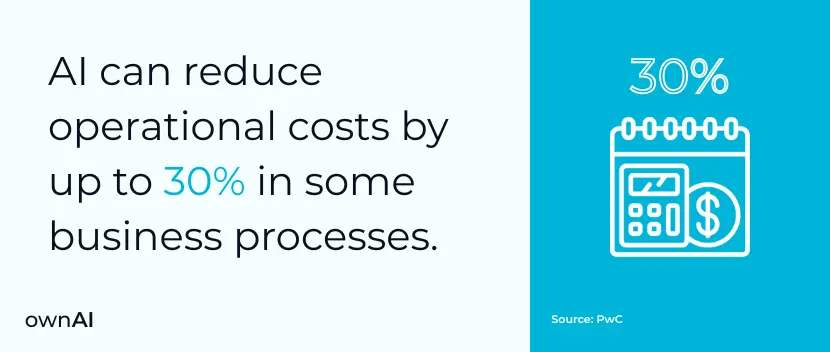
By automating tasks, you reduce the need for extra manpower for routine work. This lowers your operational cost over time. You also save money by avoiding errors, delays, and inefficiencies that can impact your business.
Better Customer Experience
AI agents respond instantly and provide consistent answers. They can also personalize responses based on customer behavior and past interactions. This makes the experience smoother, faster, and more reliable for your users.
Scalability as You Grow
As your business grows, your workload increases. AI agents can handle more users and tasks without affecting performance. You can scale your operations without immediately increasing your team size, which helps you grow in a more controlled and cost-effective way.
Build In-House vs Hire an AI Agent Development Company
Choosing how you build your AI agent affects your cost, speed, and long-term results. Here’s a clear comparison to help you decide what fits best for your situation:
| Criteria | Build In-House | Hire an AI Agent Development Company |
|---|---|---|
| Upfront Cost | High due to hiring, training, and tools | Lower with clear project-based pricing |
| Time to Market | Slower, as team setup and learning take time | Faster with ready expertise and proven processes |
| Expertise | Requires skilled AI engineers, data experts, and DevOps | Access to experienced specialists from day one |
| Scalability | Hard to scale early without strong architecture | Easy to scale the team and system as needed |
| Technology Setup | You need to choose and manage tools yourself | Uses tested tools and optimized tech stack |
| Risk Level | Higher risk of delays, mistakes, and rework | Lower risk due to prior experience and frameworks |
| Security & Compliance | Needs internal setup and ongoing effort | Built with industry best practices from the start |
| Maintenance | Fully managed by your internal team | Often supported by the service provider |
| Long-Term Cost | Can increase due to hiring and rework | More predictable and efficient over time |
| Best Fit | Large companies with strong AI teams | Startups, SMBs, or businesses needing fast results |
Why Businesses Trust ownAI for AI Agent Development?
That’s the difference between building an AI project and building an AI system that delivers results. And that’s exactly where ownAI stands out.
We focus on building AI agents that work in real business environments, not just in controlled scenarios.
Here’s why businesses choose ownAI:
- Focused on Real Results, Not Just AI Features
- Complete End-to-End Execution from Idea to Scale
- Deep Expertise in AI, LLMs, and Agent Architecture
- Solutions Built Around Your Business, Not Generic Templates
- Proven Process That Reduces Risk and Speeds Up Delivery
- Scalable, Secure, and Production-Ready Systems
- Faster Time-to-Market with Clear Execution Strategy
- Transparent Communication with Dedicated Expert Support
If you want an AI agent that actually performs, scales with your business, and avoids costly mistakes, the next step is simple.
Book your free consultation with our AI experts and get a clear, practical roadmap to build your AI agent the right way.
Conclusion
Most AI projects don’t fail because of technology. They fail because of poor decisions around cost, scope, and execution.
AI agents can deliver massive value, but only when they are planned and built the right way.
As you’ve seen, the cost can vary widely. It depends on how complex your agent is, how many systems it connects with, and how you choose to build it. Without a clear approach, it is easy to overspend or end up with a system that doesn’t perform.
We hope this guide helped you clearly understand how AI agent development costs actually work and what you need to plan for.
Now it’s your turn to find a reliable AI agent development company and let the professional help you from scratch.
FAQs
1. How do I estimate the exact cost of my AI agent project?
Start by clearly defining what you want the agent to do. Break it into tasks, tools it needs to connect with, and how smart it needs to be. A simple agent with limited features will cost much less than one handling multiple workflows and integrations. The best way to estimate cost is to scope features first, then map them to complexity, not the other way around.
2. What is the biggest cost mistake businesses make in AI agent development?
The biggest mistake is trying to build a complete, advanced system from the start. This leads to higher costs, delays, and often rework when things don’t go as planned. A better approach is to start small with a focused use case, validate results, and then expand step by step.
3. How do hidden costs impact the total AI agent budget?
Hidden costs like data preparation, API usage, infrastructure, and ongoing maintenance can add a large portion to your total budget. Many businesses only plan for development, but the real cost continues after launch. If you don’t plan for these early, your budget can quickly go out of control.
4. Should I build a custom AI agent or use pre-built solutions?
If your needs are simple, pre-built tools can save time and money. But if your workflows are complex or critical to your business, custom development is a better choice. It gives you more control, better performance, and the ability to scale without limitations.
5. How do I know if I need a simple agent or an advanced system?
It depends on your use case. If your goal is basic automation like handling queries or simple tasks, a basic agent is enough. But if your agent needs to make decisions, manage workflows, or connect with multiple systems, you will need a more advanced setup. Always match the solution to your actual need.
6. What factors increase AI agent development cost the most?
The main cost drivers are how smart the agent is, how many systems it connects with, the quality of your data, and how much autonomy it has. As these factors increase, the development effort, testing, and infrastructure requirements also increase, which raises the cost.
7. How long does it take to build an AI agent?
A simple AI agent can be built in a few weeks, while more advanced systems can take several months. The timeline depends on how complex the system is, how many integrations are required, and how clearly the requirements are defined at the start.
8. When is the right time to invest in AI agent development?
The right time is when you have a clear use case where automation can save time, reduce cost, or improve performance. If you start without a clear goal, you risk wasting money. When you know exactly what problem you want to solve, AI becomes a valuable investment instead of an experiment.





 Turn your idea into MVP in 8-16 weeks